Best Podcast Microphones: Your 2024 Guide to Superior Sound
Introduction
Choosing the right podcast microphone can spell the difference between sounding amateur and professional. A high-quality microphone captures crisp, clear sound that keeps your audience engaged and coming back for more. With so many options available, selecting the best one for your needs can be daunting. This guide delves into what makes a microphone great for podcasting, highlights the top models for 2024, and provides tips on setup and maintenance.
Key Factors to Consider When Choosing a Podcast Microphone
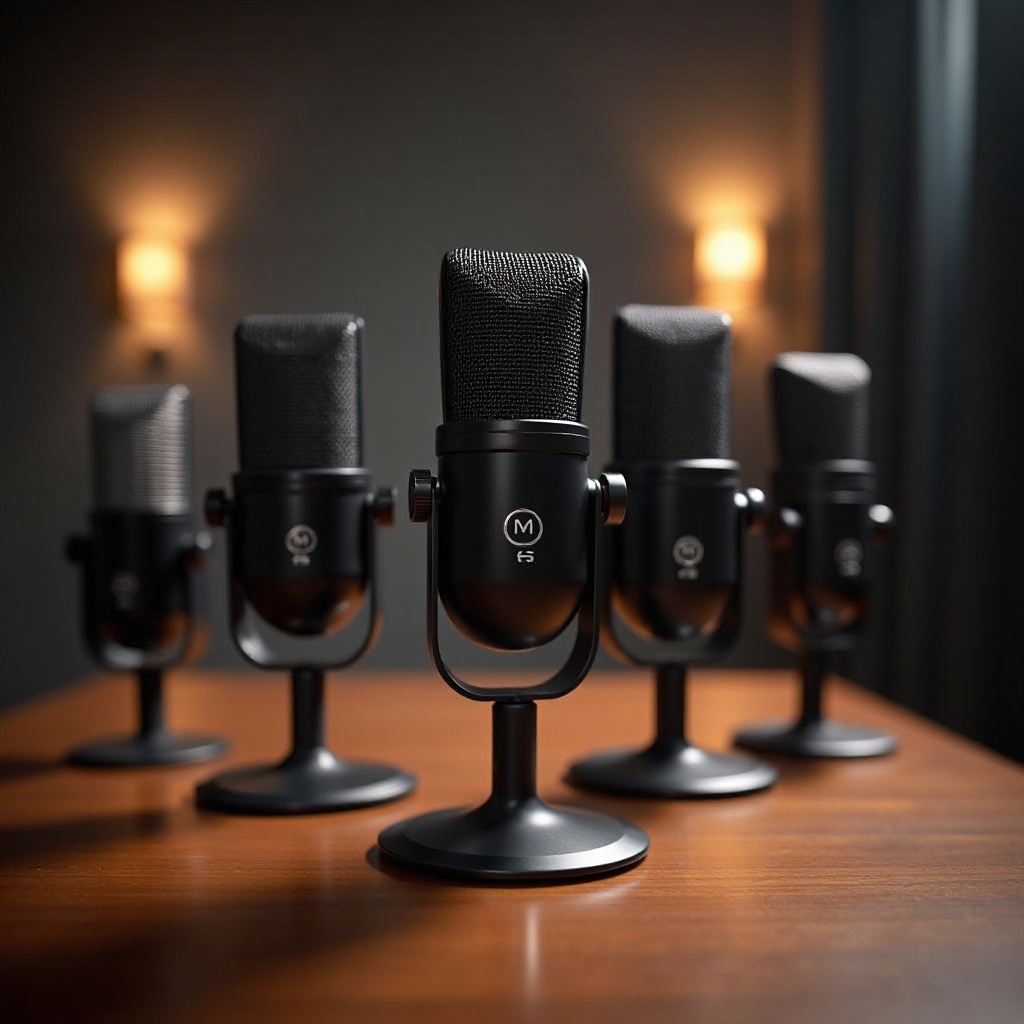
Finding the right podcast microphone involves understanding key factors that affect performance and usability. Knowing these differences can direct your choice toward a microphone that perfectly matches your podcast environment.
- USB vs. XLR Microphones: USB microphones are plug-and-play, perfect for beginners or those with a straightforward setup. They connect directly to your computer via USB. XLR microphones, however, require an audio interface but offer superior audio quality and flexibility, making them ideal for professional setups.
- Dynamic vs. Condenser Microphones: Dynamic microphones are robust, excelling in live settings or environments where background noise might be an issue. Conversely, condenser microphones are more sensitive and provide richer sound quality, ideal for controlled studio settings.
- Budget and Pricing Considerations: Your budget greatly influences your choice. While high-end microphones promise excellent sound quality, many affordable options deliver impressive performance for amateur podcasters. Focus on features that align with your podcasting goals to make a prudent choice.
When equipped with this understanding, steer towards the right microphone that suits your unique setup and production requirements.
Top 5 Podcast Microphones of 2024
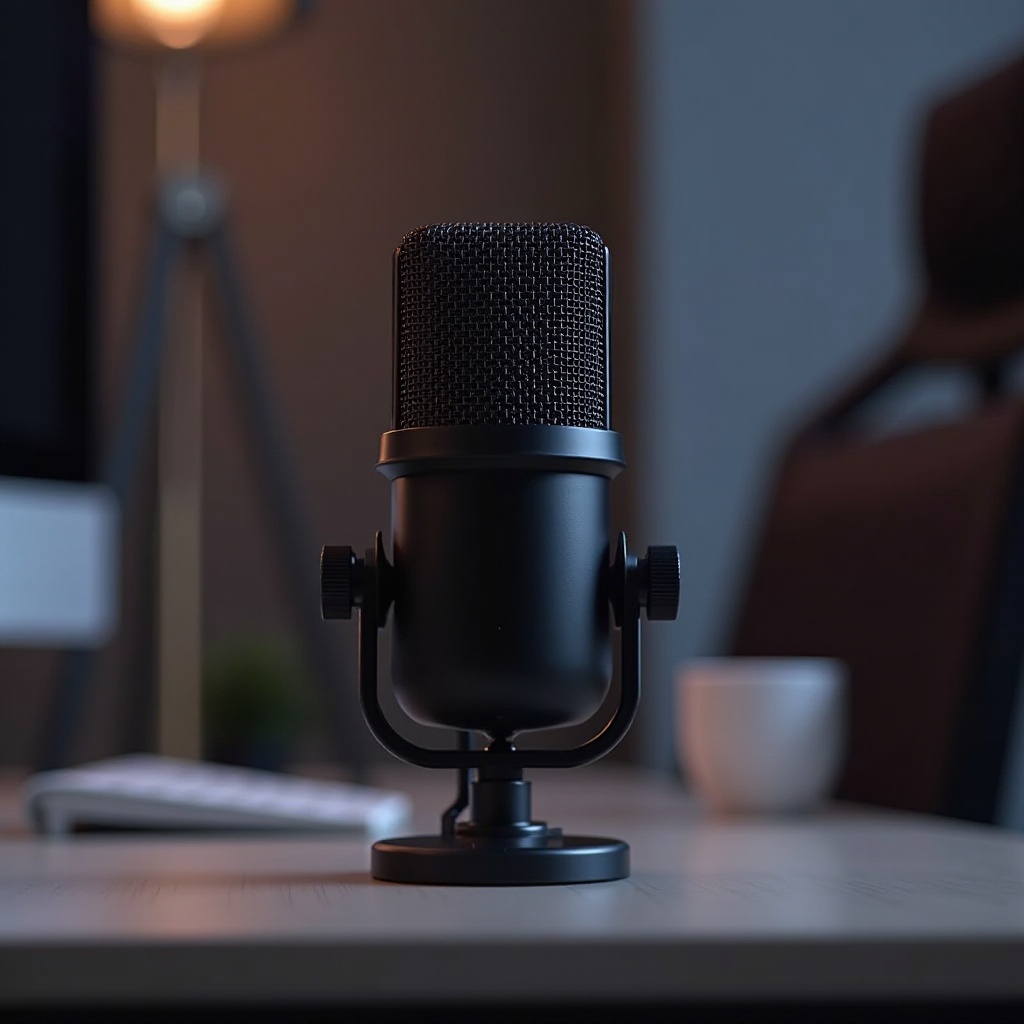
After evaluating key factors, let’s explore the top microphones for podcasting in 2024. These models cater to diverse needs, from beginners to seasoned professionals:
- Microphone 1: Audio-Technica AT2020
- Features: Condenser, cardioid pattern, USB/XLR options
- Pros: Affordable, excellent sound clarity
- Cons: May pick up background noise
- Microphone 2: Shure SM7B
- Features: Dynamic, cardioid pattern, XLR connection
- Pros: Exceptional sound quality, versatile
- Cons: Requires additional equipment such as an audio interface
- Microphone 3: Rode NT-USB
- Features: Condenser, cardioid pattern, USB connection
- Pros: Easy setup, pop filter included
- Cons: Slightly larger footprint
- Microphone 4: Blue Yeti
- Features: Condenser, multiple patterns, USB connection
- Pros: User-friendly, adjustable polar patterns
- Cons: Less portable due to size
- Microphone 5: Heil PR40
- Features: Dynamic, cardioid pattern, XLR connection
- Pros: Broadcast-quality sound
- Cons: Higher price point
These selections showcase quality and versatility across various price points and applications. Choose what aligns best with your podcast format and technical constraints.
Setting Up Your Podcast Microphone for the Best Results
Once you’ve selected a microphone, proper setup maximizes its potential. Here are some tips to ensure you get crisp, professional-quality sound:
- Ideal Placement and Positioning: Position the microphone about six inches from your mouth to reduce plosive sounds. A pop filter can minimize harsh ‘p’ and ‘b’ sounds. Ensure the microphone is on a stable surface to avoid picking up vibrations.
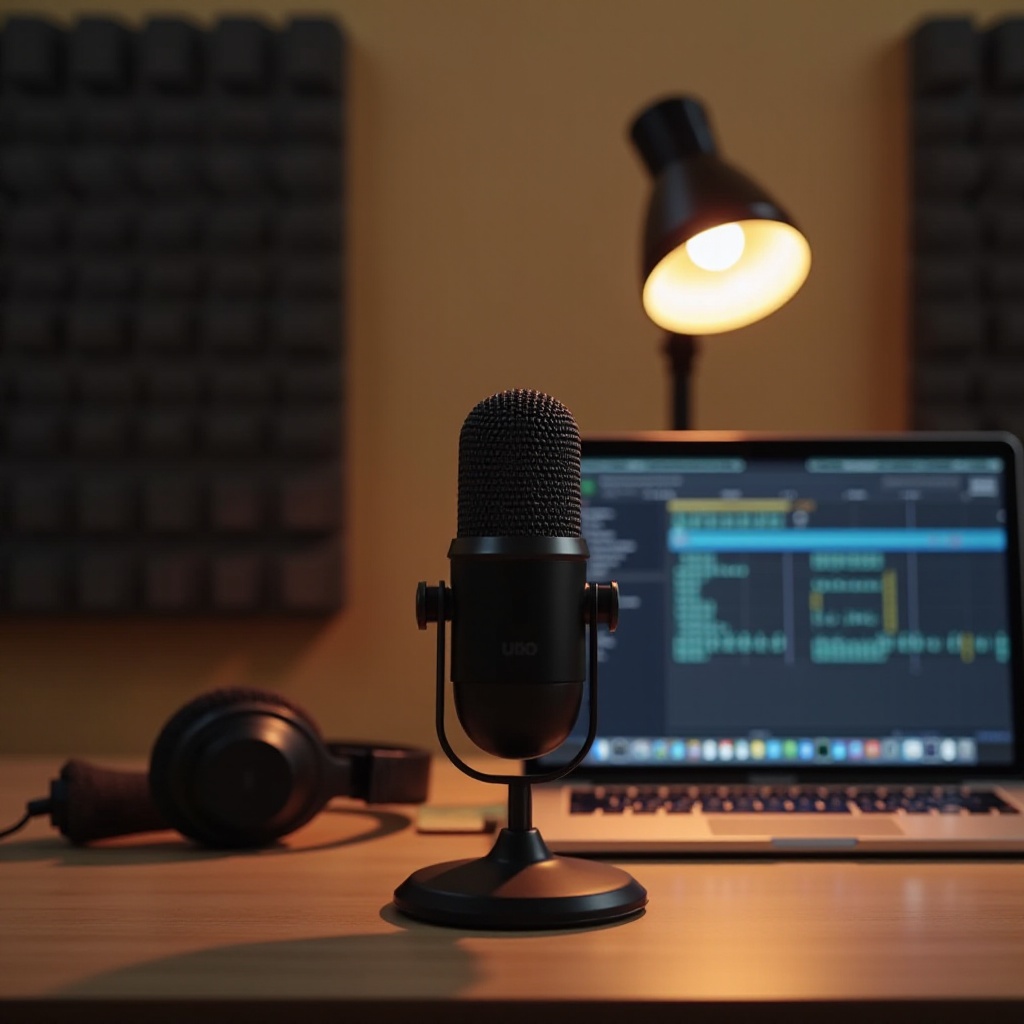
- Room Acoustics and Setup: Opt for a room with minimal echo. Acoustic panels or drapes can dampen sound reflections effectively. Experiment with microphone placement in your space to find the sweet spot that captures sound best.
Proper setup enhances sound quality and ensures your audience hears you as intended. A well-prepared environment separates amateur recordings from professional ones.
Maintaining and Caring for Your Podcast Microphone
Maintenance extends your microphone’s life and keeps it offering optimal performance. Here are some practices to consider:
- Cleaning and Storage Tips: Regularly dust your microphone with a soft cloth and use a gentle cleanser to remove grime. Place it in a dry, dust-free environment, ideally within a protective case, to avoid damage.
- Troubleshooting Common Issues: Should you notice sound issues, immediately check connections and ensure firmware updates (for USB models). Inspect for visible damage, and consider replacing parts like pop filters to restore clarity.
An adequately maintained microphone ensures consistent quality, preserving your podcast’s professional sound.
Conclusion
Investing in the right podcast microphone is crucial for exceptional audio output. Understanding your specific needs like environment, technical expertise, and budget help in making the best choice. With this knowledge, you’re on your way to creating professional and engaging audio content.
Frequently Asked Questions
What is the best type of microphone for podcasting?
The best type is subjective to your needs. Dynamic mics are durable and good for noisy settings; condenser mics offer richer sound, suited for controlled environments.
How much should I expect to spend on a quality podcast microphone?
Quality microphones can range from $100 to over $500. Consider additional costs for accessories and audio interfaces if using an XLR microphone.
Can I use a regular microphone for podcasting?
While it’s possible, dedicated podcast microphones often offer better clarity and features specifically tailored for voice recording.