Does a Phone Need a SIM Card to Work?
Introduction
When setting up a new smartphone, you’re often prompted to insert a SIM card. But is it necessary for your phone to operate? This article dives into the role of SIM cards, explores available alternatives, and explains a phone’s functionality without one. Whether you’re a tech enthusiast or new to mobile technology, find valuable insights here.
Understanding SIM Cards
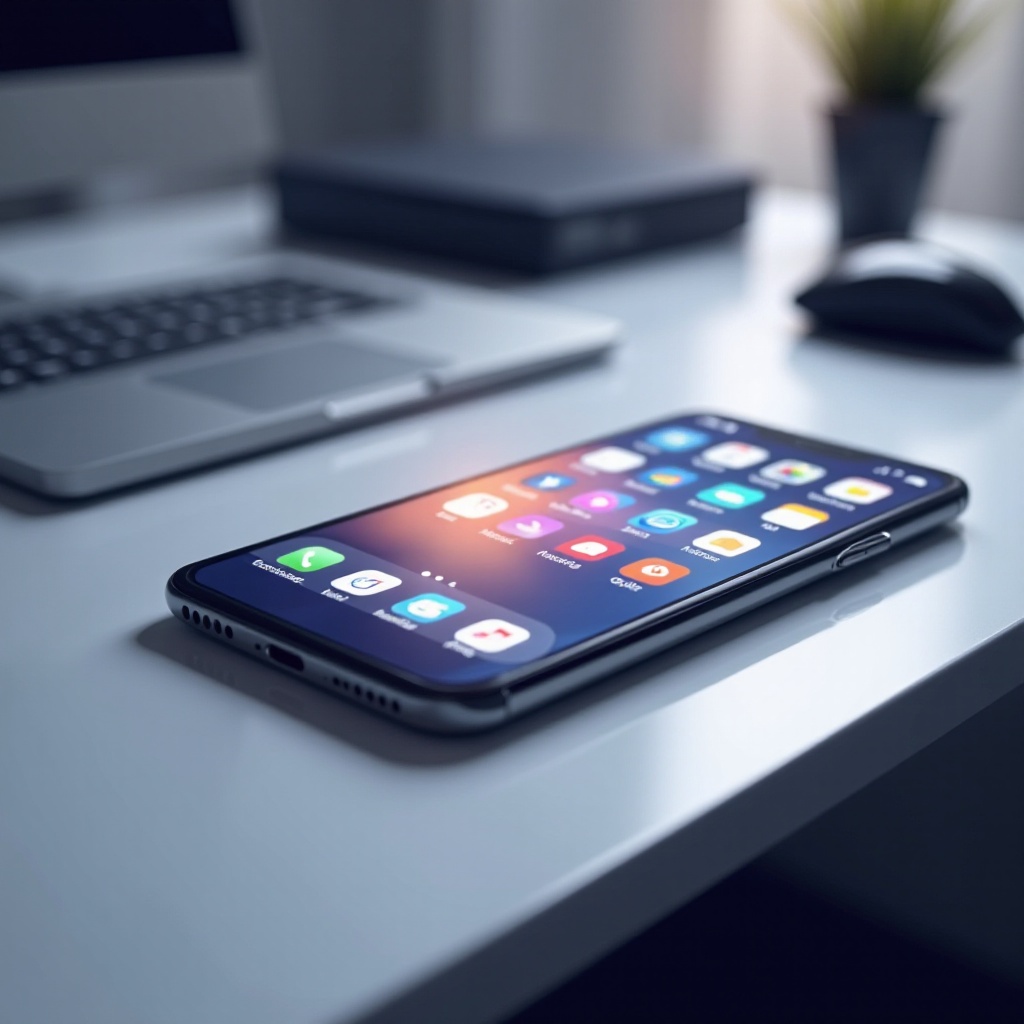
The SIM card plays a critical role in mobile technology. It connects your device to a cellular network by storing information that identifies your account with your carrier.
-
What is a SIM Card?
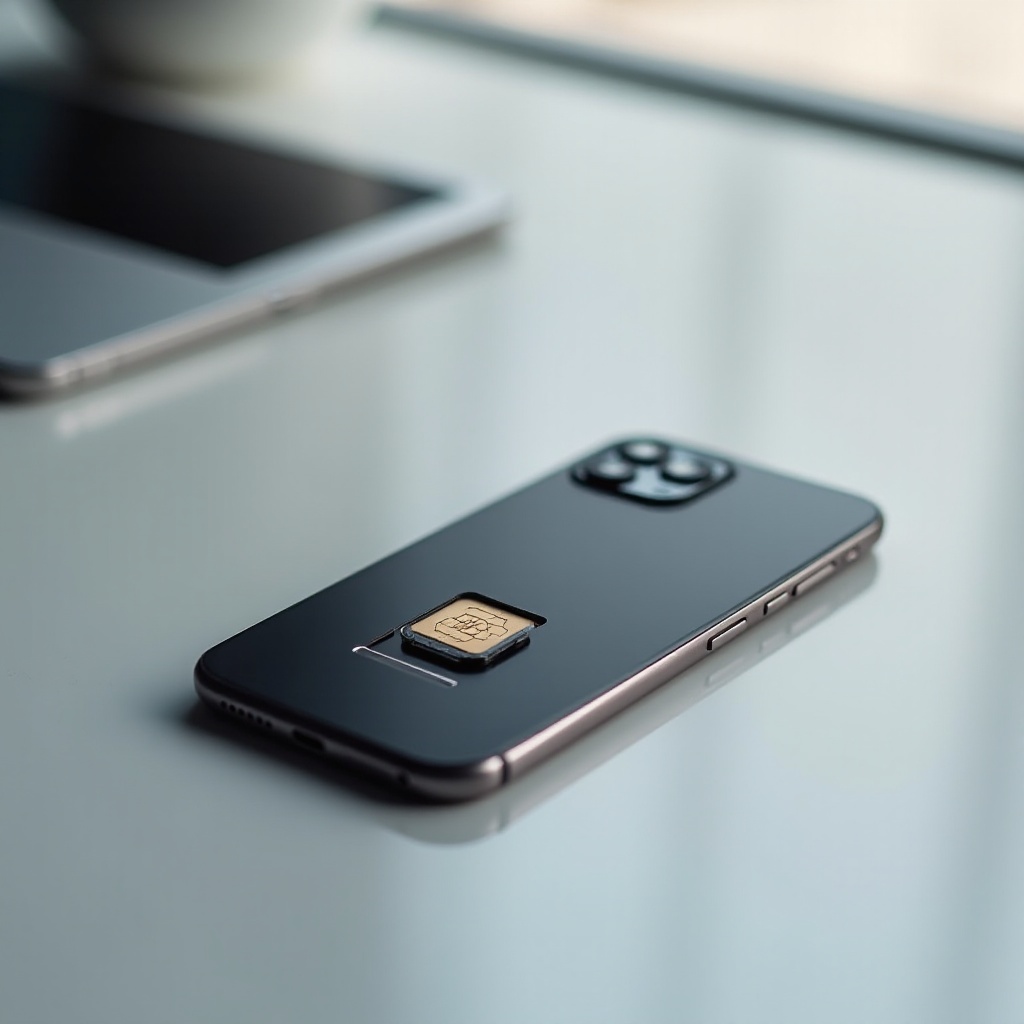
A SIM card, or Subscriber Identity Module, is a small piece of hardware in your mobile device. It stores data that identifies and authenticates your phone to the network. -
Types and Evolution of SIM Cards
SIM cards have evolved from large, credit card-sized components to smaller versions like Micro and Nano SIMs. The eSIM is a recent innovation embedded in your device, facilitating carrier switches without changing cards.
Understanding SIM cards is key as they not only connect your phone to networks but also provide identity. Yet, what happens if you use your phone without a SIM card?
Phone Capabilities Without a SIM Card
Many assume a phone without a SIM card is merely a paperweight, but that’s not entirely true. Your device can still perform numerous functions relying mainly on Wi-Fi networks.
-
Basic Functions Without a SIM
Without a SIM card, smartphones can still connect to Wi-Fi for browsing, emailing, and using apps that do not require cellular data. You can also use your phone for photography, document editing, and gaming. -
Connectivity Options: Wi-Fi and Beyond
Wi-Fi provides essential connectivity, enabling applications like WhatsApp, Skype, and others to facilitate communication. Internet-based services continue to expand and offer more ways to keep connected.
Phones excel in specific functionalities even without SIM cards, proving useful in various scenarios. To unlock comprehensive capabilities, however, having a SIM card comes with its benefits.
Functions Enabled by a SIM Card
With a SIM card installed, your phone’s access to network services significantly expands.
-
Cellular Network Access
A SIM card enables your phone to connect to cellular networks, allowing you to make calls and send messages, ensuring continuous communication with your contacts. -
Data Usage and Internet Connectivity
Beyond basic calls and texts, SIMs facilitate mobile data usage. This ensures you remain connected to the internet wherever you go, crucial for those who need mobility and constant online access. -
Global Roaming Capabilities
For travelers, SIM cards offer roaming services, connecting your phone to networks abroad, though often at higher rates. However, they provide the convenience of maintaining service globally.
The advantages of having a SIM card are clear, but what alternatives exist if one prefers not to rely on physical cards?
Alternatives to SIM Cards
With advancing technology, users can look beyond traditional SIM cards for innovative connectivity solutions.
-
Introduction to eSIM Technology
An eSIM is an embedded SIM card built into your device. It allows you to switch carriers digitally, providing flexibility and ease of use — excellent for frequent travelers or those seeking multiple network options. -
Wi-Fi Calling and Internet-Based Communication
Many services like Wi-Fi calling make phone operations possible without a physical SIM. Apps such as Facebook Messenger and Telegram continue to grow, providing new ways of staying connected without cellular networks.
In a world where accessibility and flexibility matter, these alternatives introduce unique options to the traditional reliance on SIM cards. However, how do these technologies stack up in practical usage?
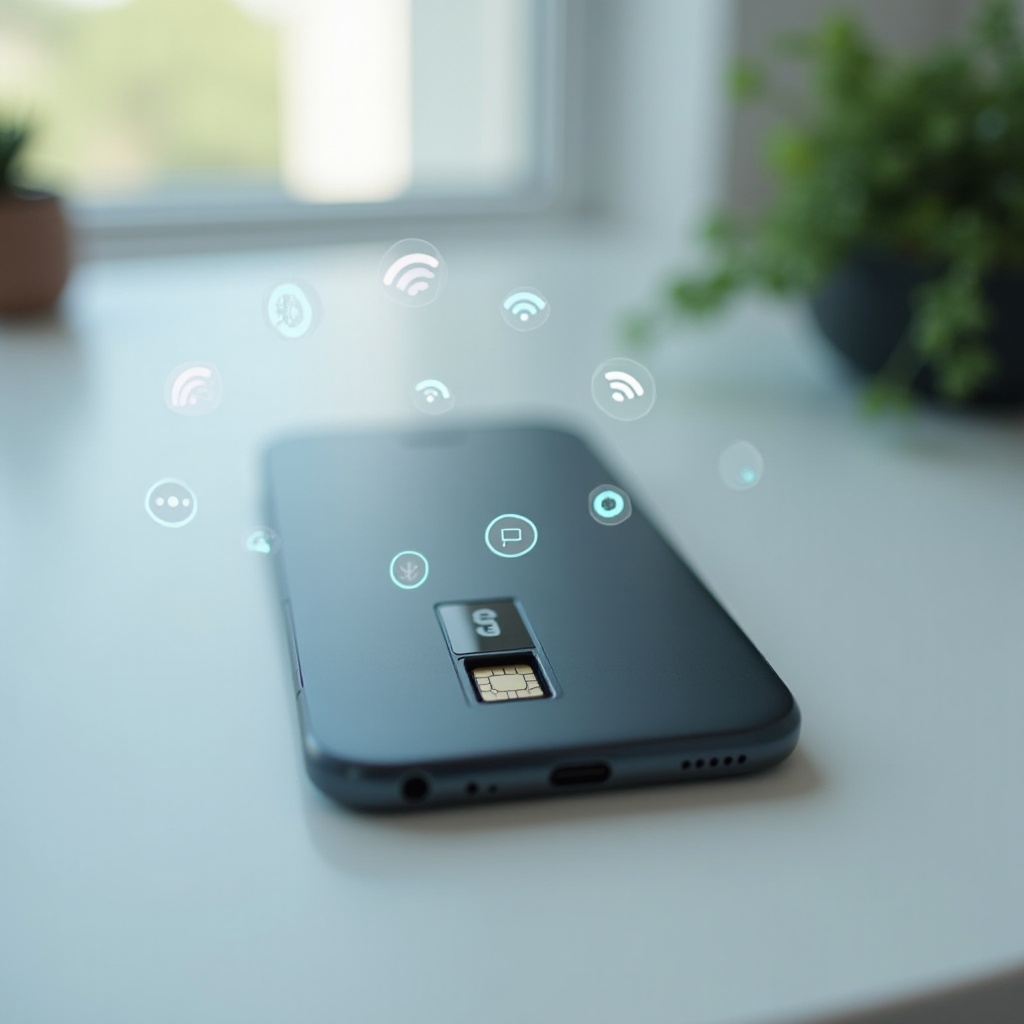
Practical Scenarios: Using a Phone Without a SIM Card
There are practical applications for phones without SIM cards, especially where cellular connectivity is non-essential or impractical.
-
Device as a Wi-Fi-Only Tool
A phone can serve as a primary device in Wi-Fi-rich environments, becoming a control center for smart home devices or a media streaming device. -
Emergency and Offline Use Cases
Phones without SIM cards can still dial emergency services under many regulations. Additionally, with offline map services, they remain invaluable for navigation without data.
The feasibility in specific contexts, combined with evolving technology, highlights the growing choice for users to operate devices differently. But what about keeping data secure?
Security and Privacy Considerations
Safety with mobile devices extends into both physical and digital realms. Awareness and careful management of security settings are crucial.
-
Protecting Data Without a SIM
Keep operating systems and applications current to protect against vulnerabilities. Be cautious when using public Wi-Fi networks, adhering instead to trusted connections. -
Recommended Security Practices
Employ multi-factor authentication on services and consider using a VPN to encrypt data when connected to the internet, enhancing your privacy and security.
Being aware of these aspects crucially supports the effective use of your technology, whether you’re connected via SIM or alternative networks.
Conclusion
SIM cards provide irreplaceable connectivity and functionality, yet modern innovations like eSIM and Wi-Fi calling open new horizons. Users now have the flexibility to tailor their experience according to their needs, ensuring they remain connected in ways that best fit their lifestyles.
Frequently Asked Questions
Can I use a phone without a SIM card?
Yes, you can use a phone without a SIM card by connecting it to Wi-Fi for web access and using apps for communication.
What are the benefits of an eSIM over a traditional SIM?
eSIMs offer easier carrier switching and eliminate the need for a physical card, making them convenient for frequent travelers.
How do I make calls without a SIM card?
You can make calls using internet-based apps like WhatsApp or Skype over a Wi-Fi connection, without needing a cellular network.