
Is It Okay to Leave Your Phone Charger Plugged In?
Introduction
The convenience of leaving phone chargers plugged in has led many to question its implications. While it might seem harmless on the surface, there are underlying concerns related to safety, financial implications, and environmental impacts. Many of us routinely leave our chargers connected to an outlet without much thought, assuming it saves time when we need a quick recharge. However, understanding the full range of effects this habit can have on energy consumption, safety, and the lifespan of your devices is critical. This article will explore the reasons why it might be worth rethinking this common practice and provide guidance on integrating more mindful habits into your daily routine.
Understanding Phone Chargers and Energy Consumption
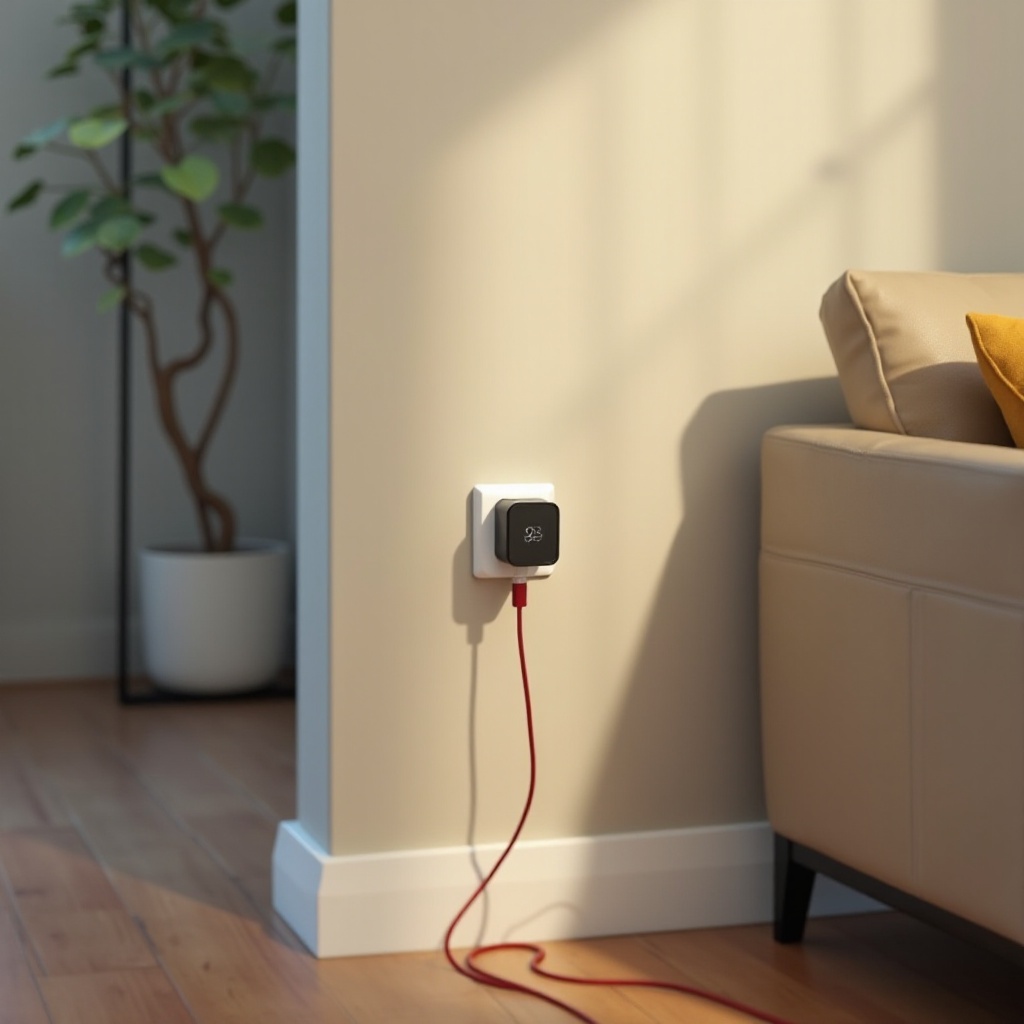
Phone chargers play a crucial role in ensuring our devices remain operational by converting AC power from outlets into a lower voltage DC power. However, when not in active use, these chargers enter a standby mode, which, while significantly reducing energy consumption, does not eliminate it entirely. This standby consumption, often referred to as ‘vampire’ power, is a consistent drain on electricity. Although the power draw from a single charger might seem minimal, the collective effect of millions worldwide contributes significantly to increased power demands.
A typical charger draws between 0.1 to 0.5 watts of energy when not connected to a phone. This might seem negligible, but when replicated across millions of devices globally, it results in considerable energy wastage. Such wastage not only strains energy resources but subtly affects your electricity bill.
Safety Considerations When Leaving Chargers Plugged In
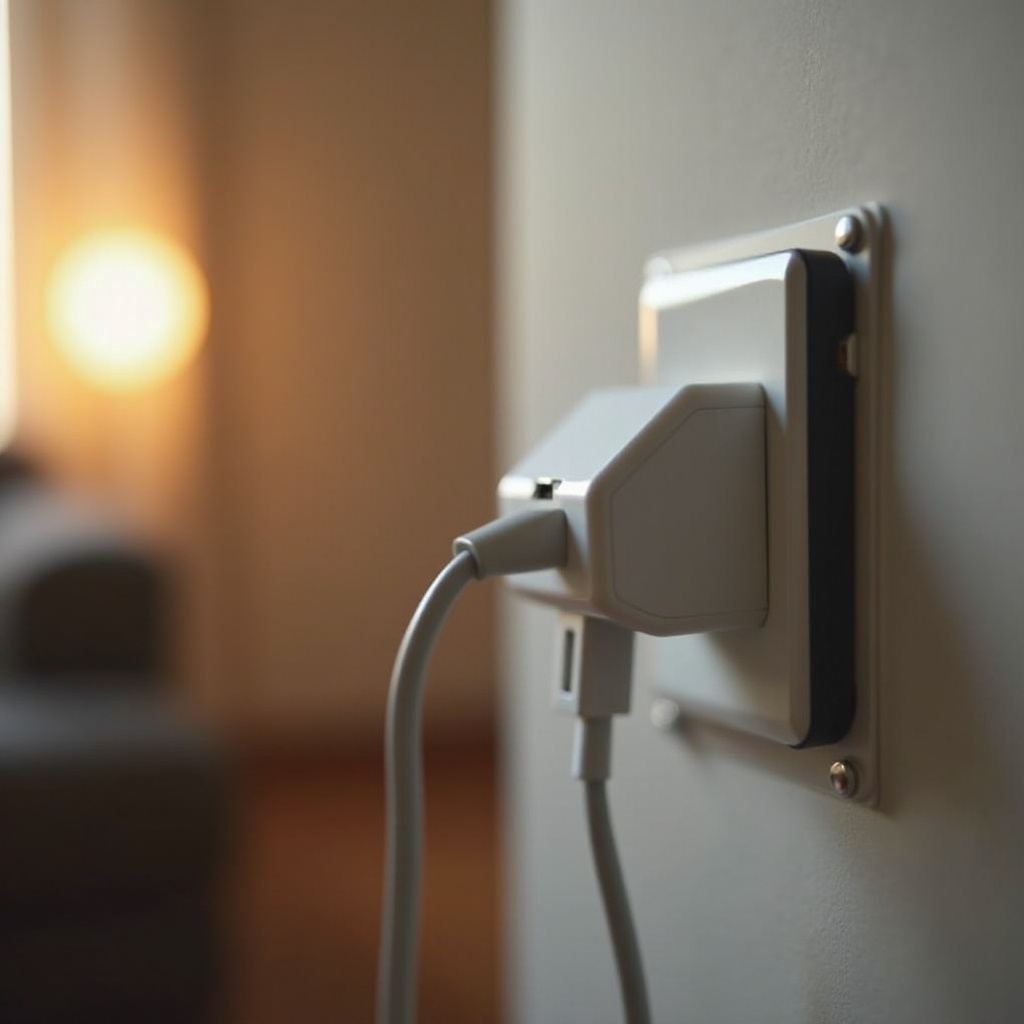
Safety is a paramount concern when it comes to leaving electronic devices like phone chargers plugged in unattended. Identifying and addressing potential hazards is essential to ensure a safe environment in your home or workplace.
Risks of Overheating and Electrical Faults
When left plugged in, chargers can overheat, especially if they are of poor quality or have been subject to electrical faults due to power surges. Such overheating can pose a significant fire risk. Moreover, aging chargers can suffer from frayed wires or damaged ports, which increase the risk of electrical shocks. Variations in power surges further exacerbate these risks.
Safety Tips and Best Practices
To safeguard against these dangers, adopt a habit of unplugging chargers when not in use. Choose chargers from reputable brands that include necessary safety features like surge protection and overheat mechanisms. Monitor your electrical outlets for wear and consider using power strips with built-in surge protectors. These devices can automatically cut off power during excessive heat build-up, enhancing safety.
Environmental and Economic Impact
The environmental and financial consequences of leaving phone chargers plugged in—even when not actively used—present substantial considerations on both personal and global scales.
Analyzing Energy Usage
Chargers left plugged in increase overall energy demand unnecessarily, contributing to faster depletion of natural energy resources. This ineffective use of energy translates into higher carbon footprints, with far-reaching environmental implications. By becoming cognizant of these issues, individuals can make small, impactful changes.
Cost Implications and Savings Tips
While individual costs might seem minor—mere cents annually per charger—when considering multiple devices across households, the expenses compound. Simple behaviors, like unplugging chargers when not in use or investing in smart plugs that disconnect power flow when idle, can lead to long-term financial savings.
Impact on Device and Charger Longevity
In addition to safety and cost, leaving chargers plugged in can affect the longevity of both your phone and the charger itself.
Effects on Phone Battery Life
Continuous exposure to charge cycles impacts the battery’s life, as constantly charging prevents natural depletion and recharge cycles that maintain optimal battery health. Trickle charging, when devices remain connected while full, can age a battery prematurely.
Durability of Chargers When Continuously Plugged In
Chargers are not built to handle continuous connectivity. Over time, constant power flow can lead to both internal and external wear, such as frayed cables or damaged circuitry. This not only shortens charger lifespan but also results in frequent replacements.
Best Practices for Phone Charging
Implementing thoughtful charging practices enhances device performance and promotes safety.
Safe Charging Habits
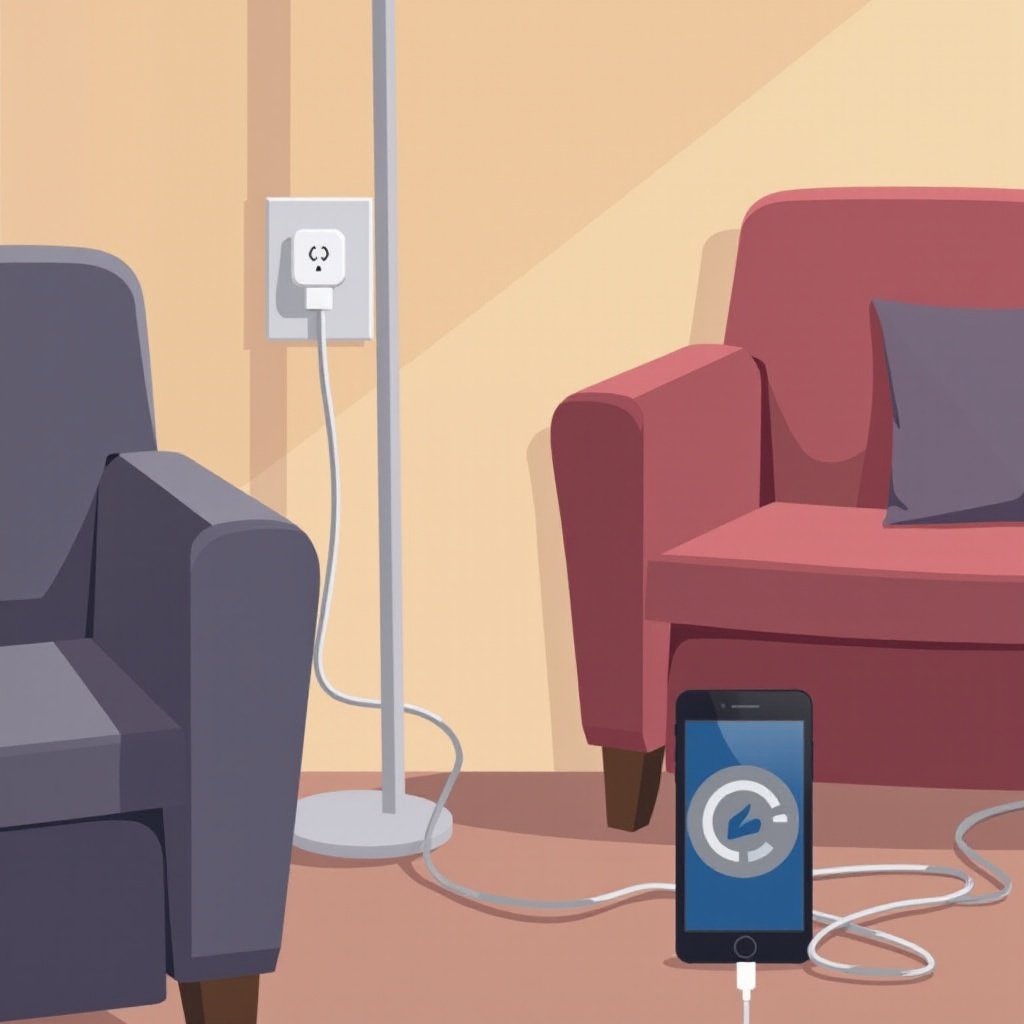
Adopting safe habits includes unplugging chargers when leaving home or going to bed and using manufacturer-approved chargers. Charging phones before complete discharge supports battery longevity.
Technology Innovations for Safe Charging
Modern innovations, such as smart chargers with auto shut-off features, offer enhanced safety by avoiding overcharging. Wireless chargers provide stress-free charging experiences, minimizing wear and extending device lifespan.
Conclusion
Leaving your phone charger plugged in might seem convenient, but opting for simplicity might carry hidden costs. Addressing potential fire hazards, reducing energy waste, and extending device lifespans are compelling reasons to unplug chargers when not in use. By adopting these mindful practices, you contribute positively to both your personal safety and the environment.
Frequently Asked Questions
Do all chargers consume the same amount of energy when left plugged in?
No, different designs and brands vary in energy consumption. Reviewing specifications provides insights into the charger’s efficiency.
Can leaving the charger plugged in damage my phone?
While it doesn’t directly harm your phone, unnecessary charging cycles from a continuously plugged-in charger can reduce battery life.
Are there smart chargers that minimize risks?
Yes, smart chargers with auto shut-off or temperature control features are available to improve safety and efficiency.