
Tablet PC with Optical Drive: Are They Still Relevant in 2024?
Introduction
Tablet PCs have played a transformative role in how we interact with technology. At one point, they also included optical drives, making them a perfect blend of mobility and functionality. However, the landscape has changed, and optical drives have mostly vanished from newer devices. Understanding the role and potential of tablets with optical drives in 2024 remains valuable. In this article, we explore the benefits of these devices, the reasons behind their decline, the current market demand, and available alternatives.

The Historical Role of Optical Drives in Tablet PCs
In the past, optical drives such as CDs, DVDs, and Blu-rays were integral to computing. They allowed for data storage, software installations, and multimedia access. Tablets equipped with optical drives combined the convenience of tablets and essential PC features, such as watching movies and installing software without needing external devices or internet connectivity.
This technological transition highlights how user preferences and advancements have shaped device capabilities. Recognizing this evolution helps spotlight the advantages that made optical drives an attractive feature in older tablets.
Advantages of Tablet PCs with Optical Drives
Despite their decline, optical drives still offer several significant benefits:
- Data Backup and Storage: Tablets with optical drives support easy data backup. Optical disks provide a secure, offline storage solution for critical files, creating physical backups.
- Multimedia and Entertainment: Optical drives allow direct DVD and Blu-ray playback, offering high-quality viewing without internet reliance—crucial for areas with limited connectivity.
- Software Installation: These drives facilitate software installations from CDs or DVDs, essential for companies with proprietary systems on physical media, and valuable for legacy software needs.
In an increasingly digital world, these advantages provide a practical yet nostalgic option for some users.

Why Optical Drives Disappeared
The disappearance of optical drives from tablets and laptops was driven by several technological innovations:
- Rise of Cloud Storage: With services like Google Drive and Dropbox, data storage and sharing have become convenient and widely accessible, reducing the need for physical storage devices.
- Digital Downloads: High-speed internet enables immediate access to media and software via streaming services, reducing reliance on physical media.
- Portability Concerns: Removing optical drives made devices lighter and more portable, enhancing battery life—essential for consumer preferences and manufacturer designs.
These shifts left certain needs unaddressed, making some users reminisce over the functionality of built-in optical drives.
Currently Available Solutions and Alternatives
For those who still value optical functions, several alternatives exist:
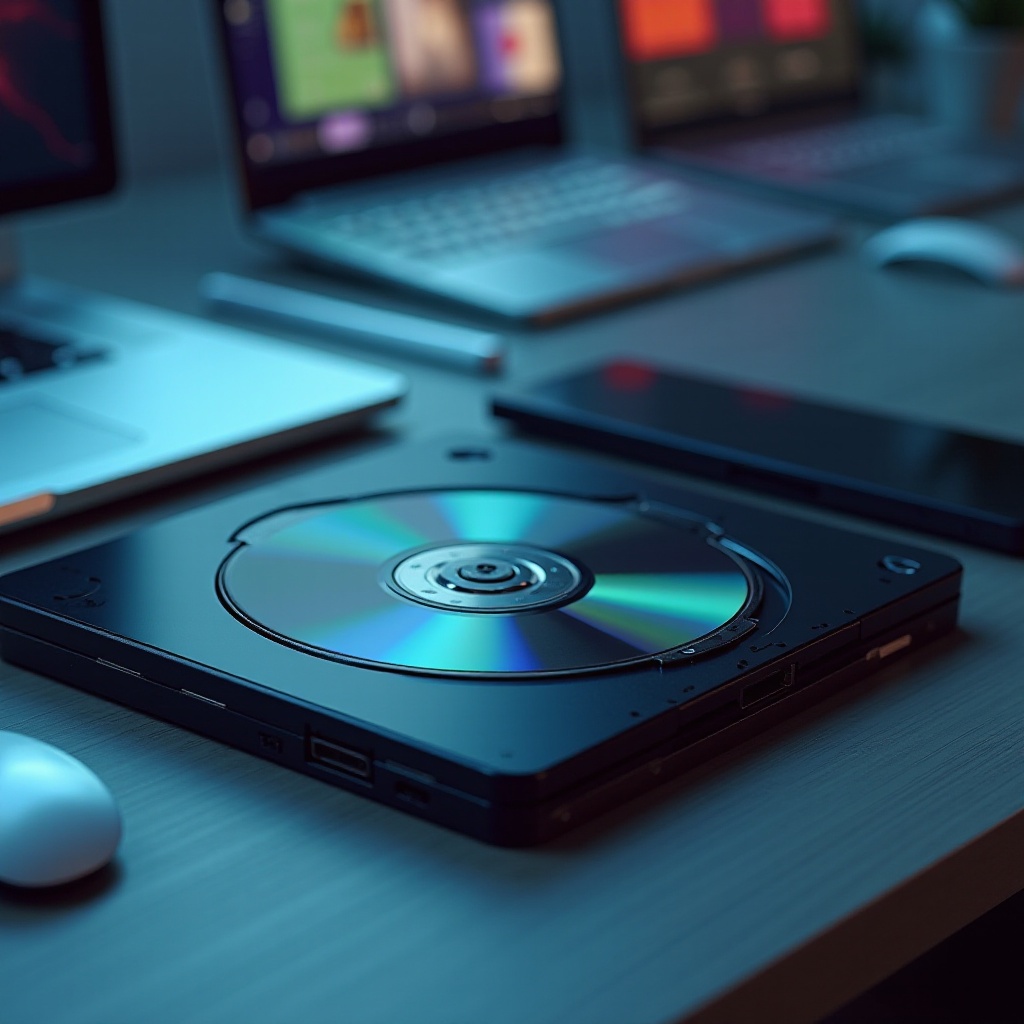
- External Optical Drives: Users can connect portable USB optical drives to tablets, maintaining the ability to read and write CDs, DVDs, and Blu-rays affordably and easily.
- USB and Flash Drives: These devices provide a portable substitute for data with increased storage capacities, meeting users’ needs for rapid access and backup.
- Streaming and Downloading: Subscription services like Netflix and Spotify offer endless content without physical media, easily accessible for offline use.
Each alternative has its benefits, addressing the gaps left by the absence of built-in optical drives in modern tablets.
The Market Demand for Tablets with Optical Drives Today
Even as technology evolves, niche markets remain for tablets with optical drives. Professionals dealing with legacy data or applications on optical media require such devices. Those who prefer maintaining physical media collections also find value in these features.
Moreover, some educational institutions and businesses still distribute content via CDs and DVDs, maintaining a minor but relevant demand for optical technology in professional and educational environments. For these groups, tablets with optical drives remain indispensable tools.
Conclusion
While the trend favors digital solutions and cloud convenience, tablet PCs with optical drives still hold a unique appeal. Their benefits in data backup, multimedia access, and software installation address specific user needs and market niches. Acknowledging their current limitations, alternative technologies complement or replace the niche functions they once filled. As a result, while a widespread resurgence of built-in optical drives may not occur, these devices continue to offer real value for users with particular needs.
Frequently Asked Questions
Is there a market for tablets with optical drives in 2024?
Yes, niche markets exist for tablets with optical drives, catering to sectors needing legacy software installations and access to physical media.
Can I use an external optical drive with modern tablets?
Yes, external optical drives can be connected via USB, allowing tablets to read and write CDs, DVDs, and Blu-rays, fulfilling specific user needs.
What are the alternatives to optical drives for data storage?
Alternatives include cloud storage solutions, USB flash drives for portable storage, and streaming services for multimedia access without physical media.