Best Microphone for Live Streaming: Your Ultimate 2024 Guide
Introduction
Effective streaming captivates audiences through exceptional sound quality. Superior audio transforms a good stream into a great one, holding viewers’ attention longer. With numerous microphones available, how do you make the right choice? This guide explores the best microphones for live streaming in 2024, ensuring your audio quality supports your content’s professional impact.
Why Audio Quality Matters in Live Streaming
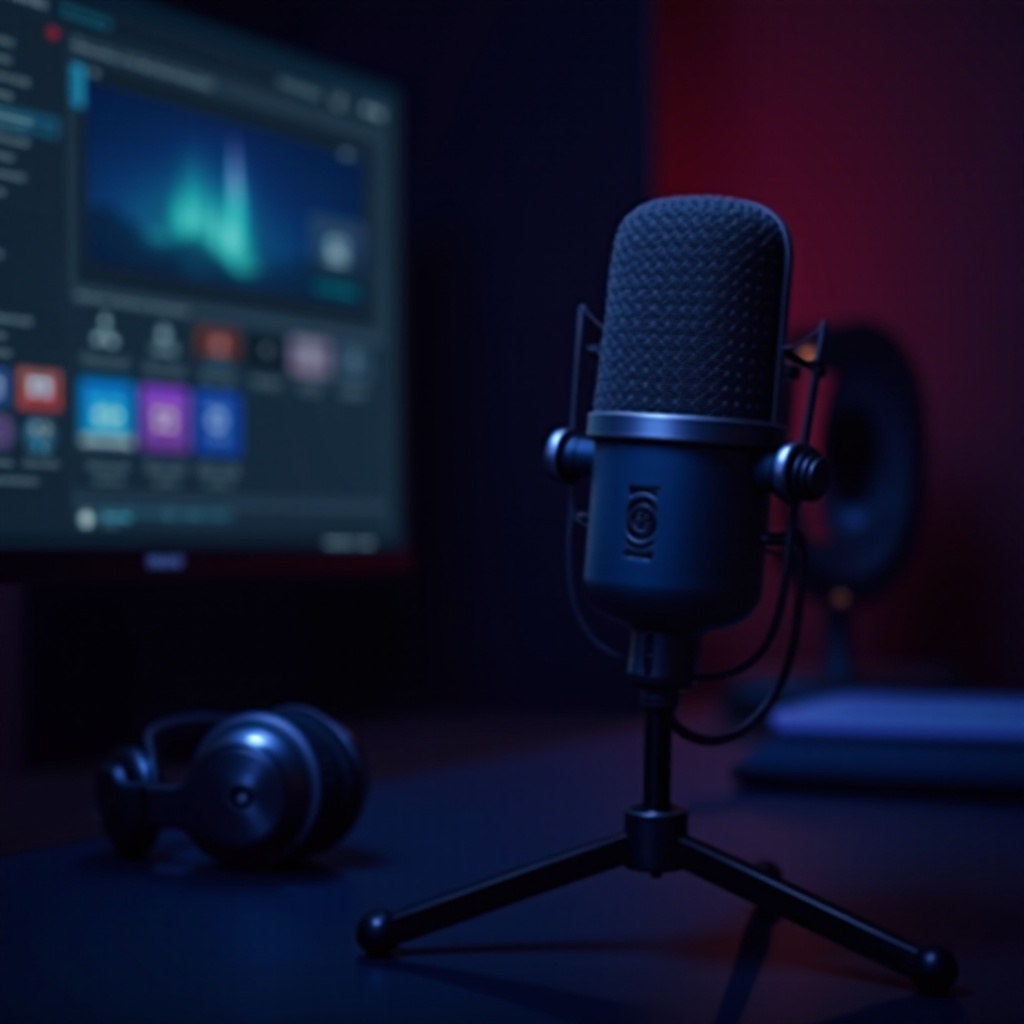
Good audio quality can make or break a live stream. While viewers tolerate average visuals, poor sound drives them away swiftly. Clear audio facilitates better communication, conveying emotions and detail effectively. High-quality sound enhances professionalism, boosting your credibility as a content creator. Whether you are a gamer, musician, or educator, superior audio quality amplifies the effectiveness of your content.
Understanding Microphone Types for Live Streaming
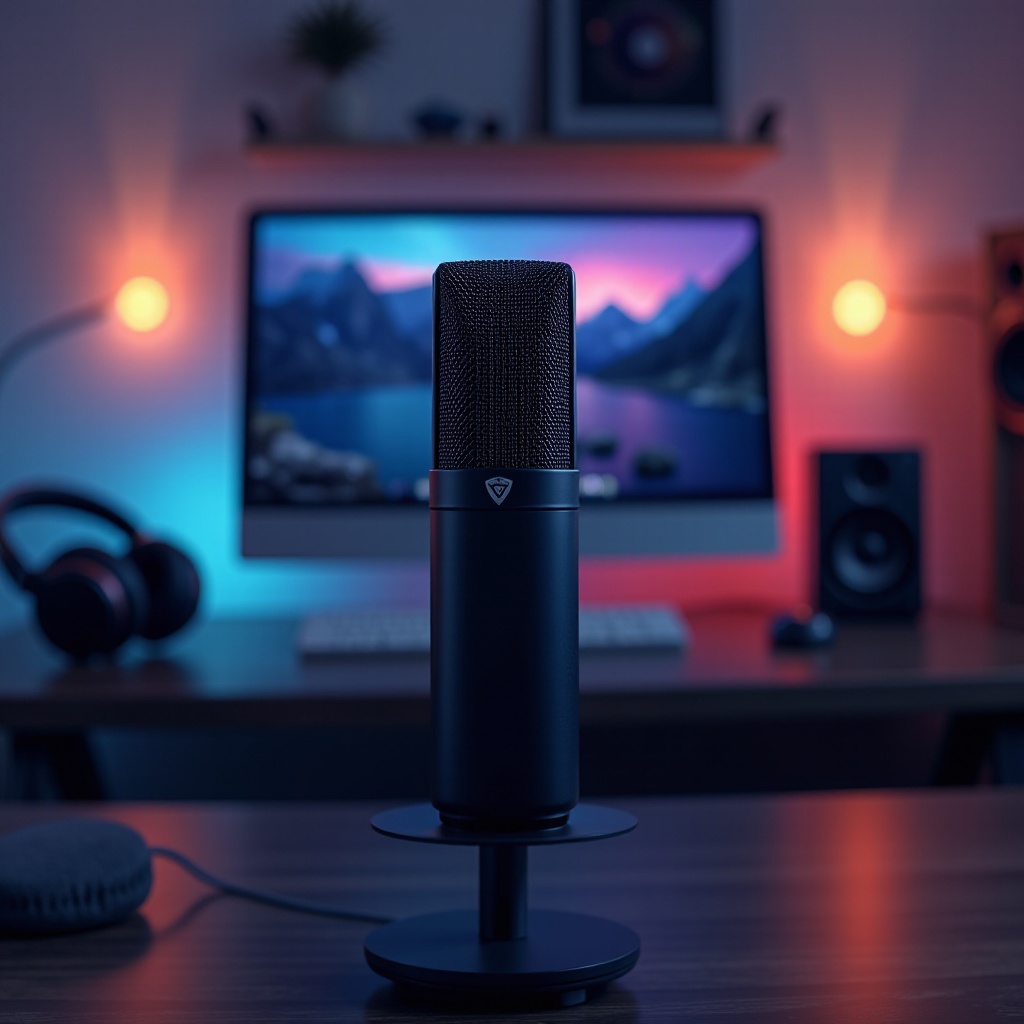
Choosing the right microphone is crucial. Each microphone type offers unique advantages suited to different streaming scenarios.
Condenser Microphones for Crisp Audio
Condenser microphones are renowned for their sensitivity and ability to capture detailed, nuanced sounds. They perform best in controlled environments, capturing vocals and intricate audio with precision. This sensitivity, however, necessitates a quiet space to minimize background noise.
Dynamic Microphones for Versatility
Dynamic microphones are durable and excel in capturing robust sounds without distortion. Ideal for live music and gaming, they manage various sound levels and conditions effectively. The design focuses on the primary audio source, making them suitable for potentially noisy environments.
USB vs. XLR Connections: What’s Right for You?
Your choice between USB and XLR microphones depends on your setup needs. USB microphones offer simplicity and are perfect for beginners with their plug-and-play nature. Conversely, XLR microphones require additional equipment, like an audio interface, offering superior sound quality favored by professionals aiming for studio-level audio.
Key Features to Consider When Choosing a Microphone
Microphone selection requires understanding critical features to meet specific streaming needs.
Sensitivity and Frequency Response
Microphone sensitivity is key to capturing lower volume sounds while frequency response ensures different sound frequencies are accurately reproduced. When evaluating options, consider your streaming requirements to determine the best mix of sensitivity and frequency response.
Noise Cancellation and Polar Patterns
Effective noise cancellation is vital for clarity. Polar patterns, such as cardioid, determine how sound is captured from various angles. Cardioid patterns are ideal for streaming, focusing on sound from the front while minimizing background noise.
Durability and Design
Durability ensures longevity, while design affects user comfort and aesthetics. Opt for robust materials that guarantee extended use. Additionally, a design that enhances your streaming setup can project a professional appearance.
Top 5 Microphones for Live Streaming in 2024
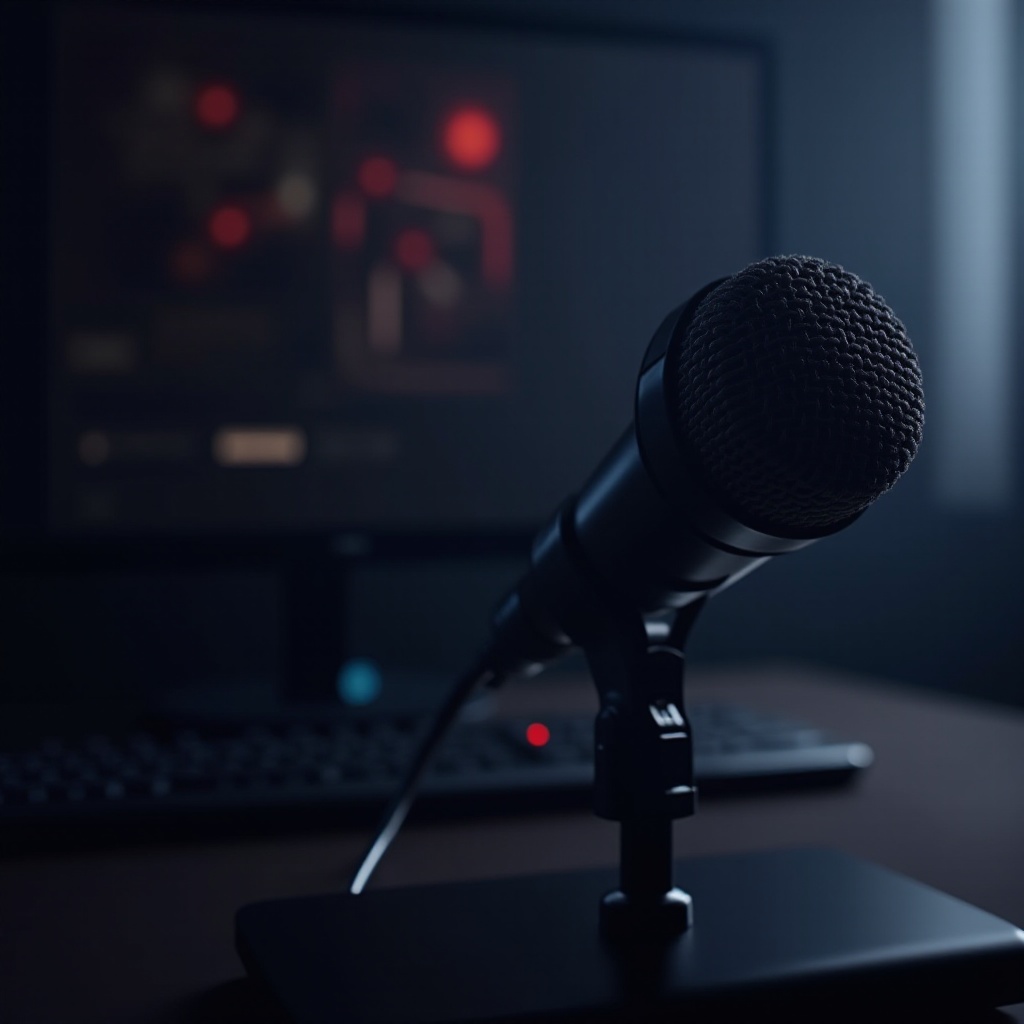
Exploring leading models can help align specific features with personalized streaming preferences.
Microphone A: Overview and Why It’s Recommended
Microphone A combines high sensitivity with a broad frequency range, perfect for vocal and musical performances. Its USB connectivity offers simplicity, catering to both novices and experienced users.
Microphone B: Key Features and Price Point
Microphone B excels with advanced noise cancellation and a resilient build. It requires an XLR setup, making it ideal for advanced streamers aiming for professional quality.
Microphone C: Pros and Cons
Microphone C is perfect for loud, live settings although it may lack full-range frequency response for detailed audio. It suits concert streaming more than delicate acoustic performances.
Microphone D: Special Features
Microphone D features adjustable polar patterns, providing customization for diverse streaming contexts. This versatility is a significant advantage in varied settings.
Microphone E: Best for Beginners
Microphone E offers a budget-friendly entry with USB connectivity and durable design. Its balanced sound profile is suitable for those new to streaming.
Tips for Testing and Setting Up Your Microphone
Once a microphone is selected, proper setup ensures optimal performance during your streams.
Importance of Sound Checks
Regular sound checks can prevent unexpected audio issues during live streams. They help identify potential problems, ensuring consistent audio quality and stream professionalism.
Optimizing Your Streaming Environment
Creating an optimized streaming environment minimizes interference, enhancing audio quality. Use acoustic treatments or opt for quieter spaces to reduce ambient noise effectively.
Conclusion
Investing in the best microphone for live streaming can transform your content. Understanding key features and types, and setting up optimally, ensures high-quality audio that engages your audience. Choose wisely for a successful streaming year in 2024.
Frequently Asked Questions
How do I connect a microphone to my computer for live streaming?
Connecting depends on the microphone type. USB microphones plug directly into your computer’s USB port. For XLR microphones, you’ll need an audio interface to connect to your computer. Follow device instructions for specific settings.
What is the best microphone for streaming outside?
For outdoor streaming, dynamic microphones are advantageous due to their noise-reducing capabilities. Look for models with comprehensive wind protection. A rugged design ensures performance in various outdoor conditions.
How can I ensure optimal sound quality during my live stream?
Ensure sound quality by selecting the right microphone for your environment, conducting sound checks, and minimizing ambient noise. Use software tools to enhance audio. Regularly update equipment and settings for improving stream quality.