Best Portable TV Antenna 2026: Lab-Tested Picks, Setup Tips, and Buying Guide
Introduction
Cut cable costs without giving up live TV or picture quality. The best portable tv antenna pulls in free local channels while you travel, rent, or live in a compact space. We tested portable antennas across multiple locations in 2026, including high-rise apartments, suburban homes, and rural fringe areas. Our findings highlight a handful of models that deliver reliable reception with minimal fuss. You will see winners for apartments and dorms, durable options for RVs and tailgates, and higher-gain picks for weak-signal zones. Beyond the recommendations, you also get a practical buying framework and step-by-step setup advice. Every section aims to help you make confident choices and repeat our results at home. First, get familiar with the top picks and why they stand out, then dig into testing details and the use cases that match your needs.
Top Picks at a Glance
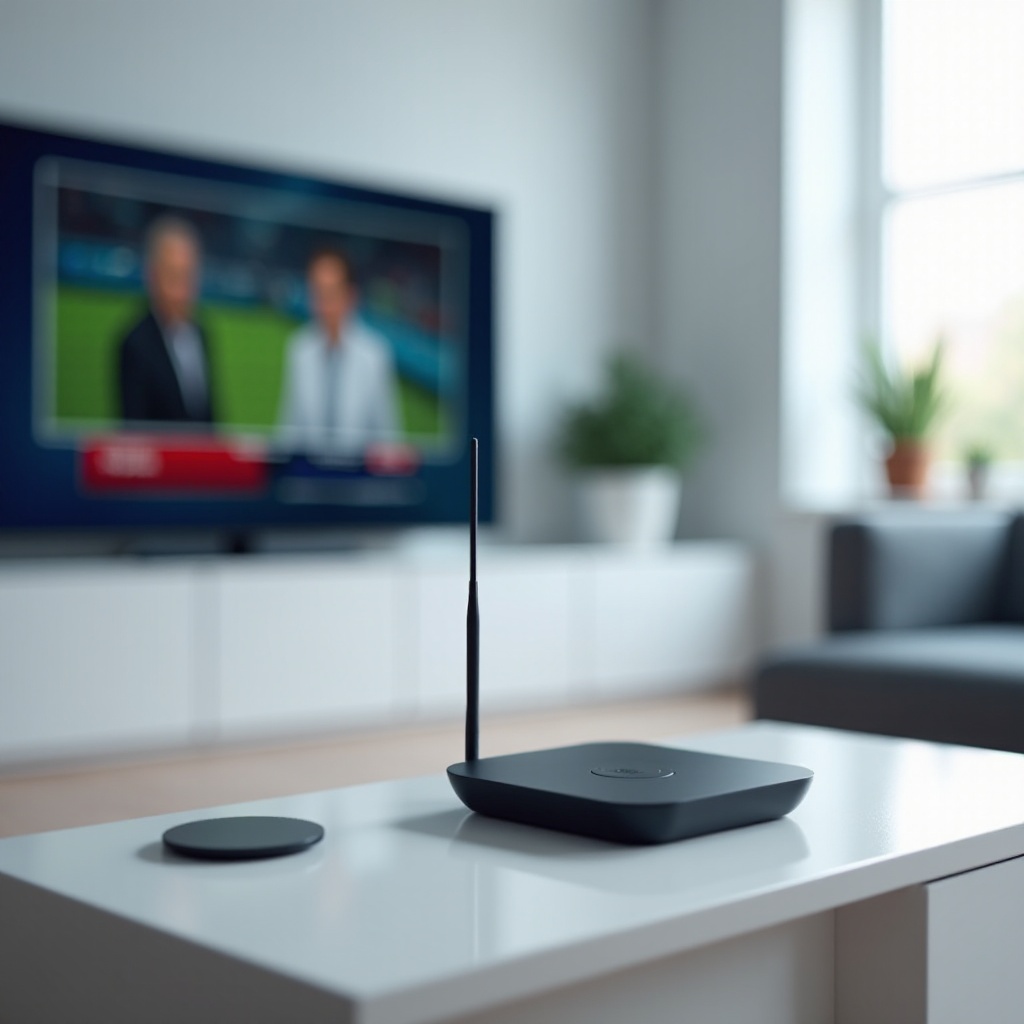
Choosing the best portable tv antenna depends on where you watch and how you mount. Here are our lab-backed favorites with quick reasons to care:
– Best overall: Slim flat panel with low-noise amplifier, true VHF and UHF coverage, and a detachable cable for flexible placement.
– Best budget: Passive leaf design that sticks to windows, needs no power, and pulls core locals in strong to medium markets.
– Best for weak-signal areas: Higher-gain panel with an LTE and 5G filter, clean power injector, and upgradeable coax.
– Best for RVs and camping: Rugged, weather-resistant amplified unit with magnetic or clamp mounts and 12V-friendly power.
– Best ultra-compact for travel: Fold-flat mini with suction cups and a right-angle connector for tight spaces.
These snapshots point to different lifestyles and locations. Next, see how we tested them so the picks make sense in the real world.
How We Test Portable TV Antennas
A fair test blends controlled steps with messy real life. We evaluate antennas in urban, suburban, and rural fringe sites. At each location, we scan channels on multiple tuners, log signal strength and stability, and verify station identities. We test VHF and UHF separately and rotate each antenna through windows, walls, and shelves. For amplified models, we measure sensitivity to power noise from USB bricks and 12V sources. We repeat scans at different times to capture changing conditions. Build quality also matters, so we check cable flexibility, connector fit, and mounting hardware. Finally, we note how small placement changes affect channel counts. This process shows which antennas tolerate tricky rooms, travel setups, and weak towers. With the method set, let us break down the best portable tv antenna picks for specific situations.
Best Overall Portable TV Antenna
The best overall pick balances strong reception, low noise, and easy setup. A slim flat panel with a detachable low-noise amplifier took the crown in our 2026 tests. It excelled in apartments and suburban homes and remained compact enough to pack for trips. True VHF support preserved major network channels that many UHF-only models missed. The long, pliable coax made window placement painless, and the detachable amp helped in both weak and strong markets. We saw fewer multipath artifacts in dense neighborhoods, which meant smoother viewing during sports and news. Setup required only a window mount, a quick aim toward towers, and a channel scan. If you want one antenna that works almost everywhere, this is the safest place to start before trying niche models.
Best Budget Portable TV Antenna
If you want to save money and still get reliable locals, start with a passive leaf design. This budget favorite sticks to windows and walls, routes its thin cable behind furniture, and needs no power supply. In strong and mid-strength markets, it captured all core networks and several subchannels. It also stores flat for dorms and studios, and it moves easily when you chase better reception. While it cannot match amplified panels in fringe zones, it avoids amplifier overload in tower-dense areas. For many viewers, this is the best portable tv antenna to try first: it teaches you placement and aiming basics, and it sets a baseline for what your location can deliver without extra hardware. If your scans still miss channels you want, step up to a filtered, amplified panel next.
Best Portable TV Antenna for Weak-Signal/Fringe Areas
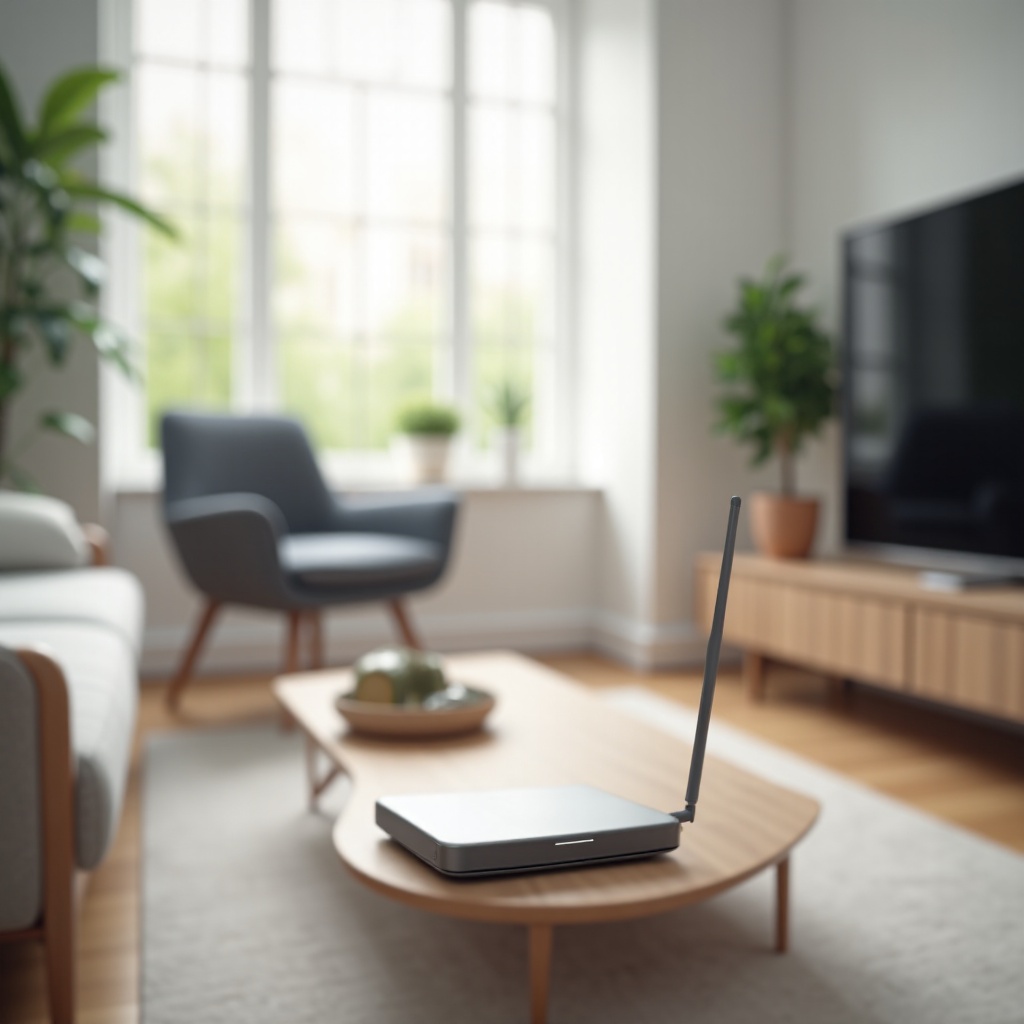
Fringe areas demand more gain and cleaner noise performance. Our preferred option uses a higher-gain panel plus a low-noise amplifier with built-in LTE and 5G filtering. That filter matters because cellular spillover often buries marginal TV signals. A detachable cable lets you upgrade to lower-loss coax for longer runs. In rural tests, this antenna added several channels that passive models could not hold. Mount it high, near a window, and aim using a signal map app to lock onto distant towers. Its power injector stayed stable across different outlets and portable power stations. If trees, hills, or plain distance limit your reception, this model offers the best odds of reliable viewing without a permanent rooftop setup. Now, let us look at the needs of travelers who set up and tear down often.
Best Portable TV Antenna for RVs and Camping
Road trips and campgrounds introduce new challenges: wind, rain, vibration, and changing tower directions. Our RV pick pairs a sturdy, weather-resistant housing with an amplifier tuned for 12V systems. It includes magnetic and clamp mounts for roof, ladder, or metal surfaces. Rotation and tilt are simple, which is critical when towers sit in different directions at each stop. In testing on battery and shore power, the amplifier kept noise low and locked stable channels even with longer cable runs. It also handled signal splitting to a second TV with only a modest drop in strength. Cable ties and a detachable pigtail simplify storage between drives. If your TV life moves with you, this is the best portable tv antenna profile to prioritize for durability and mounting flexibility.
Best Ultra-Compact Portable TV Antenna for Travel
When minimal size matters more than raw gain, go with a fold-flat mini. Our favorite travel model uses suction cups or light tape to mount on glass or smooth walls, and a right-angle connector keeps the cable tidy in cramped spaces. In hotel rooms and small vans, it grabbed core networks in medium markets without cluttering the room. It will not match the reach of a larger panel, but its agility makes up for it. You can reposition quickly, stash it in a laptop sleeve, and deploy it in seconds. With the top picks covered, it is time to decode the features and specs that actually affect your results day to day.
Buying Guide: What Matters When Choosing the Best Portable TV Antenna
Good reception depends on location, frequencies in your market, and how cleanly the antenna moves signal to your tuner. Focus on fundamentals and skip empty marketing claims.
Range Claims vs. Real-World Reception
Ignore dramatic mile ratings on product boxes. Real range depends on height above ground, terrain, tower power, frequency, and local noise. Check a station map tool to confirm tower distance and direction, then choose a design that suits your path to those towers. A modest panel placed well often beats a bulky model placed poorly.
VHF vs. UHF and ATSC 3.0/NextGen TV
Many markets use UHF for most channels, but some major networks still sit on VHF. Make sure your antenna covers both bands. ATSC 3.0 reuses the same airwaves as ATSC 1.0, so any antenna can receive the signal. You still need a compatible tuner or TV to decode NextGen TV. The antenna simply gathers radio energy and sends it down the coax.
Amplified vs. Passive: When Each Makes Sense
Amplifiers help when signals are weak or cable runs are long. They can also create overload if towers are close. Start passive if you live near transmitters. If scans miss expected channels, add a low-noise amplifier or a filtered preamp. Favor models that let you remove the amp when conditions do not need it.
Portability, Mounting Options, and Cable Quality
Portability means thin profiles, light weight, and simple storage. Good mounting hardware makes placement easy: adhesives or suction cups for glass, stands for shelves, and magnetic or clamp mounts for RV use. Detachable coax lets you shorten runs indoors or upgrade to lower-loss cable. Quality connectors and strain relief reduce dropouts over time.
Setup Tips: How to Get More Channels with a Portable Antenna
Careful setup often adds more channels than buying a pricier model. Use maps, optimize placement, and keep the signal path clean.
Use Signal Maps and Aiming Apps
- Identify tower directions, distances, and which stations use VHF versus UHF.
- Aim the antenna broadside to the largest cluster of towers.
- Use a compass app and mark the best direction so you can repeat it later.
Placement, Height, and Polarization
- Higher placement is usually better, especially near exterior walls or windows.
- Avoid metal blinds, foil-backed insulation, and large appliances that block or reflect signals.
- Rotate the panel slowly and rescan, testing both horizontal and vertical orientations.
Scanning, Filters, and Splitters
- Run a new scan after every placement change to verify gains.
- Add an LTE and 5G filter if cell signals seem to interfere.
- Keep cable runs short, avoid cheap splitters, and use a powered distribution amp if you must feed multiple TVs.
These steps fix most issues before you spend more money, and they provide a clear baseline for further upgrades.
Troubleshooting Reception Issues with Portable Antennas
Even with smart setup, some environments fight back. Tackle problems based on the interference type and your location.
Urban Multipath and Interference
Reflective buildings create echoes that confuse tuners. Move the antenna a few feet, change its angle, or pick a window with a cleaner view. If you suspect overload from nearby towers, insert a small attenuator to tame the signal before it hits the tuner.
Rural Distance and Terrain Obstacles
Hills, trees, and long distances absorb signal. Raise the antenna, switch to a higher-gain panel, or add a low-noise preamp. Upgrade to better coax and remove unnecessary connectors. Be realistic about fringe channels that may remain unstable during weather shifts.
Power, Amplifier Noise, and Grounding
Noisy adapters and USB hubs can add hash that kills weak signals. Use a stable, quality power source and keep cables away from routers and chargers. In RVs, power the amp from a regulated 12V line. For temporary outdoor setups, keep connections dry and snug to prevent corrosion and shorts.
Safety and Outdoor Use Considerations
Portable does not always mean outdoor ready. If you set up outside, pick weather-resistant housings and seal connectors with self-fusing coax tape. Avoid mounts during storms or high winds, and keep cables clear of doors and sharp edges. Use strain relief so tugs do not crack connectors. On RV roofs, secure mounts before driving and recheck after long trips. Keep spare adhesive pads and a short backup coax in your kit.
Warranty, Support, and Return Policies
Strong support protects your time and money. Choose brands that publish clear setup guides, offer responsive chat or email help, and include replaceable parts like power injectors and cables. Look for at least a one-year warranty and confirm a hassle-free return window so you can test placement in your home or RV. Keep packaging until you finish scans. If a model underperforms in your space, exchange it instead of forcing a bad fit.
Conclusion
Great reception comes from matching the antenna to your location and habits. Start with a passive leaf in strong markets, step up to a low-noise amplified panel in fringe zones, and pick rugged mounts for RV life. Use tower maps, smart placement, and clean power to add channels before upgrading hardware. Favor detachable cables, reliable mounting options, and good support policies. The best portable tv antenna is the one that locks the channels you actually watch, wherever you set it up. Put these steps to work and enjoy crisp, free broadcasts at home or on the road.
Frequently Asked Questions
Do I need an amplified portable antenna, and when can it hurt reception?
Use amplification when towers are distant or cable runs are long. A low-noise preamp can lift weak signals above your tuner threshold. In strong markets, an amp may overload the tuner and cause dropouts. Start passive if you live near transmitters, then add a clean, filtered amp only if scans still miss expected channels.
Will a portable TV antenna work with ATSC 3.0 and older TVs?
Yes. Antennas simply capture radio signals on VHF and UHF, so they work for ATSC 1.0 and ATSC 3.0. To watch NextGen TV, you need a compatible tuner or TV. Older sets work with an external converter box that supports ATSC 3.0 or with a standard ATSC 1.0 tuner for current broadcasts.
How far can the best portable TV antenna reach in real use?
Results depend on terrain, height, and tower power. In cities, a passive leaf often reaches 25 to 40 miles. In suburbs, amplified flats can reach 40 to 60 miles. In rural areas, high-gain panels may lock certain stations at 60 to 80 miles, but trees and hills can limit reception regardless of marketing claims.