Home Water Flow Sensor: 2026 Smart Home Buyer’s Guide
Introduction: Why a Home Water Flow Sensor Belongs in Every Smart Home
Water damage spreads fast and drives up repair costs. A burst line can flood a room in minutes. A slow drip can rot cabinets and subfloors before you notice. A home water flow sensor closes that blind spot. It watches real usage, flags leaks, and can shut the main to stop damage. You get clear alerts on the phone and useful charts that track habits and bills. Most owners see value quickly through leak prevention and better water use. Modern sensors also connect to your smart home without fuss and work with voice assistants and local hubs. In this guide, you will learn how the technology works, how to pick the right type for your plumbing, and which specs actually matter. Then we will link it to your smart home and map automations that protect your home.
What Is a Home Water Flow Sensor and How It Works
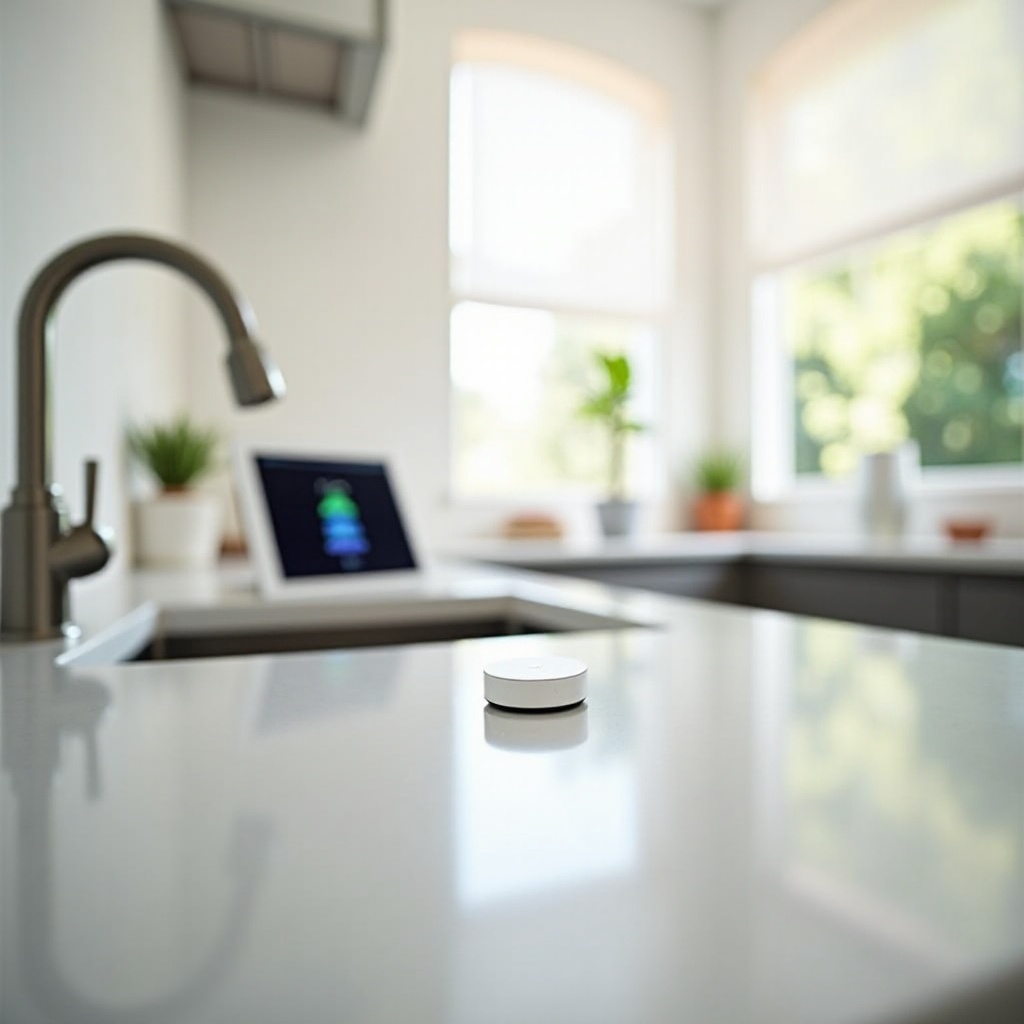
A home water flow sensor measures how much water moves through a pipe and when it moves. The device reads flow in real time and looks for patterns that signal leaks, waste, or burst risk. Many systems learn your normal usage over days and use that baseline to spot anomalies sooner.
Different sensing methods power the data. Inline turbine meters read rotation as water passes the turbine. Ultrasonic meters send signals across the pipe and time their travel to compute flow. Pressure-based systems listen for pressure changes and fixture signatures when a tap opens or a toilet fills. Clamp-on readers interpret vibration or pulses on the pipe without cutting it. Some sensors pair with a motorized shutoff valve to close the main when a leak triggers.
The sensor sends readings to an app or hub over Wi‑Fi, Zigbee, Thread, or Bluetooth. Alerts arrive by push, text, or email. With the basics set, the next step is understanding the main types so you can match a device to your home and install skills.
Types of Home Water Flow Sensors: Inline, Ultrasonic, Clamp-On, Meter-Mounted
Different homes and budgets call for different solutions. These common types cover most needs:
- Inline turbine or ultrasonic with auto shutoff: Installed on the main line, often near the entry point. These options deliver strong accuracy and can close a valve during a leak. They suit homeowners who want hard protection and full visibility.
- Ultrasonic clamp-on: Straps onto the pipe and avoids cutting. It reads flow through the pipe wall. It fits renters or owners who want easy install with solid data. Accuracy depends on pipe material, diameter, and careful alignment.
- Meter-mounted readers: Attach to the utility meter to read pulses or motion. They track total usage well and help you find waste, but they usually cannot shut water off. They are great for conservation and bill tracking.
- Pressure-based learning systems: Use a sensor on the main and software to detect fixture signatures across the home. Many include shutoff. They excel at spotting small leaks and complex events without adding much pressure drop.
Each option trades install effort, accuracy, and control. Inline and pressure-based systems deliver the strongest protection, while clamp-on and meter readers favor speed and lower cost. With types in mind, the next choice is coverage: one sensor for the whole home or smaller monitors at key fixtures.
Whole-Home vs Point-of-Use Monitoring for Home Water Flow Sensors
Whole-home monitoring watches the main line and sees every drop. It can enforce rules and shut off water at the source when a leak triggers. This approach catches hidden slab leaks, burst lines, continuous flow when nobody is home, and toilet flappers that run all night. It also simplifies alerts and gives clear event logs for insurance.
Point-of-use monitoring sits at fixtures or appliances. You place sensors under sinks, near the water heater, at the laundry, or on an ice maker supply. These options detect local leaks quickly with low cost and simple install. They miss leaks elsewhere and rarely shut off the entire home, but they can trigger focused actions, such as cutting water to a branch or turning off a smart plug that powers a pump.
Choose whole-home if you want broad protection, one app, and auto shutoff at the source. Choose point-of-use if you rent, want quick installs, or need to target high-risk zones first. With the right coverage model set, the next step is to evaluate the specs that drive real performance and reliable alerts.
Key Specs That Matter in 2026: Accuracy, Detection Thresholds, Connectivity, Power
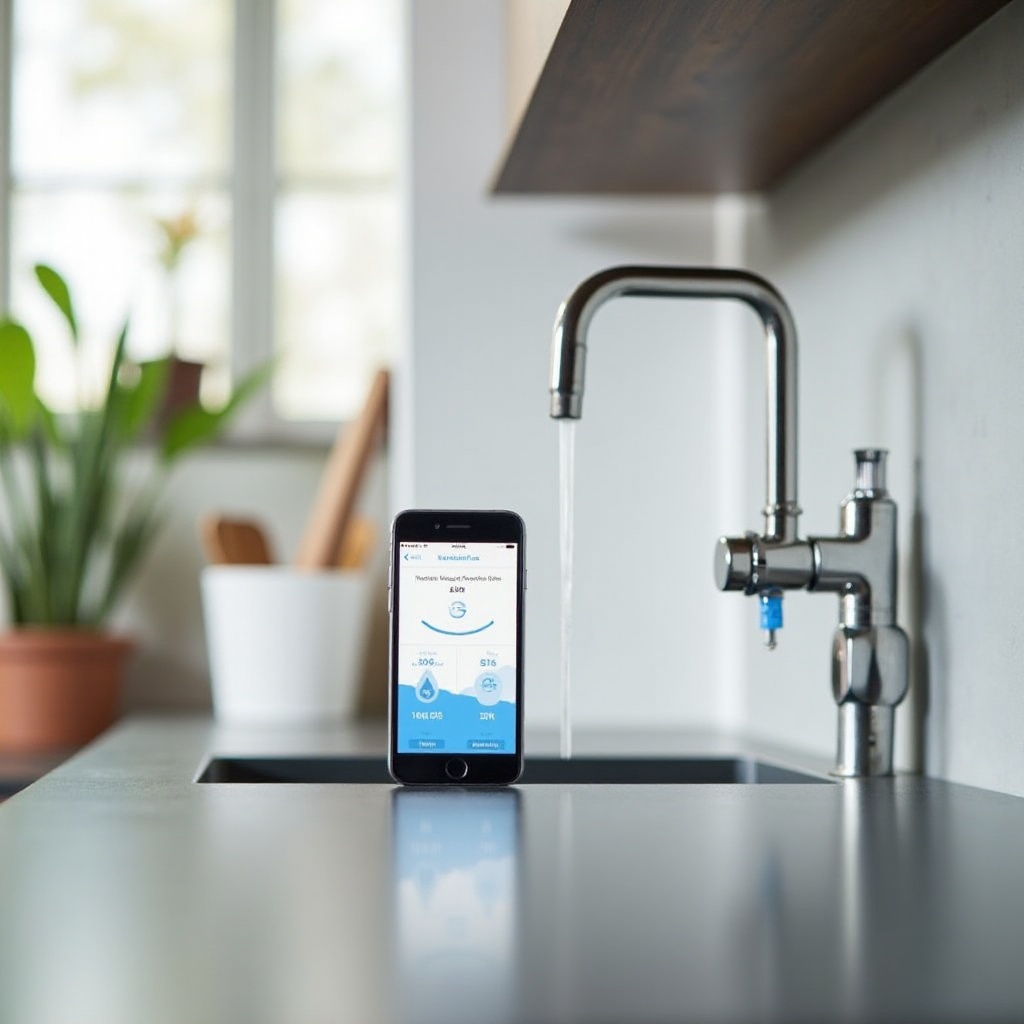
Specs shape daily experience. Focus on these factors before you buy:
- Minimum detectable flow: Lower is better for catching drips. Look for detection at or below 0.1 gpm. Check whether the app offers drip sensitivity settings and event labels.
- Accuracy and latency: Aim for plus or minus three percent accuracy and fast detection. Lower latency reduces damage during burst events and trims waste from running fixtures.
- Pipe size and material: Confirm support for your pipe diameter and material, such as copper, PEX, PVC, or galvanized. Inline installs need matching unions and adapters to avoid leaks.
- Pressure drop: Inline meters add restriction. Pick a model with low pressure drop and correct flow direction. This protects shower performance and appliance fill times.
- Connectivity: Favor Thread and Matter for local, quick control and broad compatibility. Wi‑Fi remains common and convenient. Zigbee or Z‑Wave fits hub-based homes.
- Power: Inline valves often use mains power and include battery backup for safety. Clamp-on and meter readers run on replaceable batteries. Check battery life and cost to avoid surprise maintenance.
- Ratings and environment: Confirm IP ratings, freeze protection, and indoor or outdoor approvals. If the sensor lives near a crawl space or exterior wall, cold ratings matter.
- Data control: Ensure local logging and export options if you want full control. If you plan advanced automations, make sure you have APIs and event granularity.
Once you know which specs match your plumbing and goals, bring the device into your smart home so alerts turn into actions and outcomes.
Smart Home Integrations: Alexa, Google Home, Home Assistant, Matter/Thread
A strong integration multiplies the value of a home water flow sensor. Alexa and Google Home handle voice control, announcements, and routines that react to leak events. Home Assistant adds local rules, dashboards, and long-term charts without cloud dependence. Matter and Thread improve reliability and cross-platform support with fast local communication.
Plan integrations early. If you run Home Assistant, choose sensors with official integrations or open APIs. If you rely on voice, confirm available device actions: start shutoff, open valve, run routines, and broadcast alerts on speakers. If you prefer local-only control and privacy, pick Thread, Matter, Zigbee, or Z‑Wave gear and avoid locked cloud-only devices.
Integrations define how your home responds to events. With links in place, build safety features and automations that move from raw alerts to quick protection and lower stress.
Safety and Automation Features: Auto Shutoff, Vacation Mode, Freeze/Burst Alerts
Protection features deliver the payoff:
- Auto shutoff: Close the main valve on continuous flow, overnight anomalies, or a confirmed leak. Require human confirmation to reopen, and log the event for records.
- Vacation mode: Tighten thresholds when you are away. Use geofencing or schedules so the system watches for any unexpected flow and reacts quickly.
- Freeze and burst alerts: Pair flow sensors with temperature sensors near vulnerable pipes. If temperatures drop, send alerts early or close water to reduce burst risk.
- Drip detection: Tune sensitivity to catch slow leaks under sinks, at toilets, and at ice maker lines. Combine data with spot sensors to confirm a wet condition.
- Appliance rules: If a leak near the water heater triggers, shut water and cut power with a smart plug or relay. For laundry, stop the washer and close the valve if continuous fill persists.
- Notification discipline: Set one urgent push, one speaker announcement, and a follow-up email. Avoid alert fatigue with clear priorities and unique tones.
Run test drills monthly. Verify shutoff speed and manual overrides. These features only work well when the device is installed correctly and maintained. Let’s plan install steps and real costs so you can implement without surprises.
Installation Options and Costs: DIY vs Plumber, Pipe Compatibility, Pressure Drop
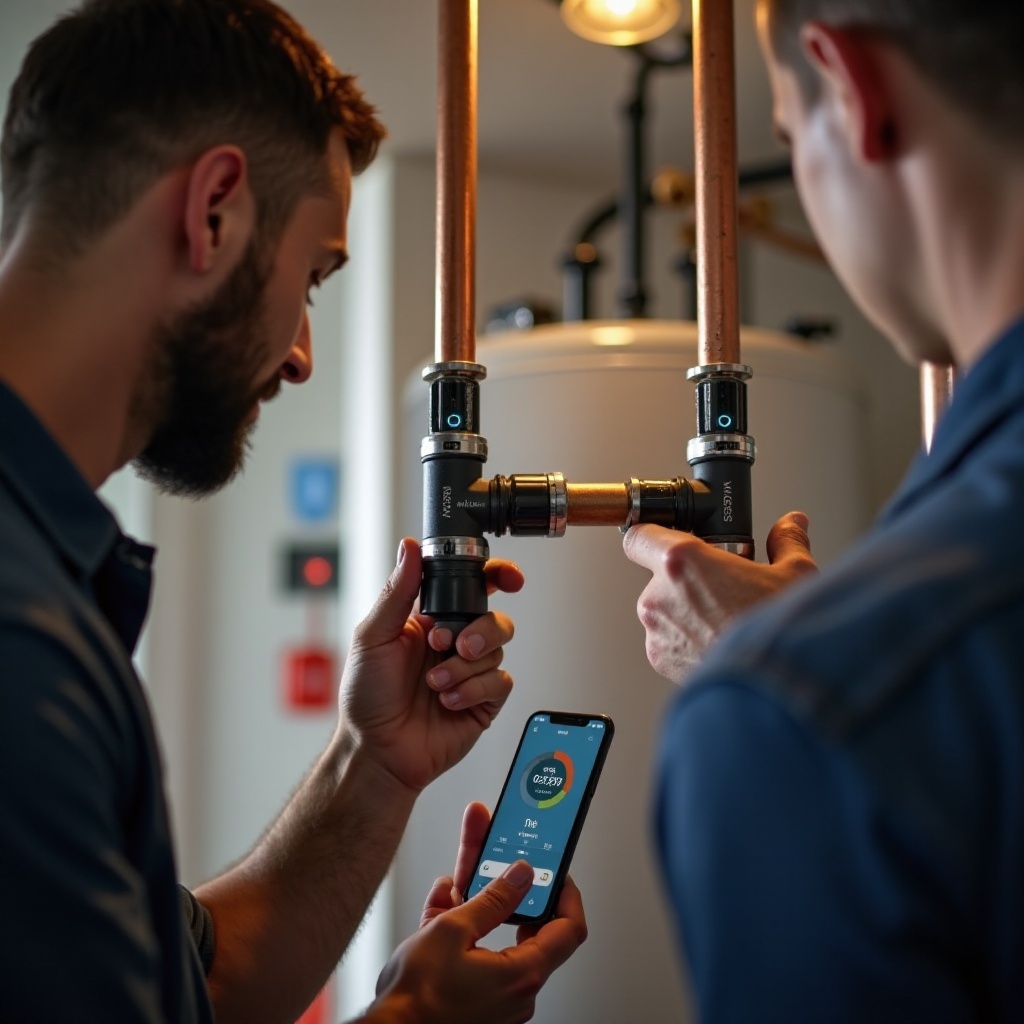
Install path depends on your home, pipe material, and comfort level. Inline systems with shutoff often need a plumber. Expect to cut the main, add unions, check flow direction, and test under pressure. Budget for fittings and possible permits. Typical pro installs add a few hundred dollars to hardware cost. The work often takes one to three hours.
Clamp-on ultrasonic and meter-mounted readers fit DIY use. Strap or clamp the device, align sensors per the manual, and calibrate in the app. These units rely on strong alignment and clear pipe sections. Battery operation avoids wiring and speeds install, which suits renters and budget buyers.
Plan location near power and strong network coverage. Label valves and take photos for your records. After install, run leak tests at fixtures and set routines. With install complete, consider your data: where it lives, how to secure it, and how to export it for long-term insights.
Data, Privacy, and Ownership: Local Control, Cloud, Subscriptions, API Access
Water data reveals daily patterns of home activity. Treat it with care. Favor devices that allow local control and storage. If you use cloud apps, review policies and opt out of data sharing where possible. Some brands charge for advanced reports, historical depth, or premium alerts. Check whether those features justify the cost for your goals.
API access matters. It lets you export events, build custom dashboards, and run local automations. Segment your home network, use strong credentials, and enable two-factor login on accounts. Back up automations and export logs monthly. With privacy set, you are ready to pick a model that fits your home type, climate, and risk tolerance.
Best Home Water Flow Sensor Picks by Home Type and Use Case
Match sensors to real needs and home types:
- Homeowners seeking full protection: Inline smart shutoff systems such as Moen Flo, Phyn Plus, or StreamLabs Control deliver solid accuracy and auto shutoff on leaks. Choose based on pipe size support, ease of service with unions, local integration options, and the space available near the main.
- Renters or budget buyers: Flume or clamp-on ultrasonic units provide usage tracking and leak alerts without cutting pipe. Confirm meter compatibility, battery life, and app features like drip thresholds and vacation mode.
- Cold climates: Favor systems with robust valves rated for low temperatures and freeze alerts. Add temperature sensors near crawl spaces, exterior walls, and attics to catch risk early.
- Complex plumbing or multi‑unit buildings: Pressure-based learning systems excel at event detection across many fixtures. Use clear notification policies for tenants and consider per-unit logs.
Always test alerts and shutoff after install. Keep spare batteries on hand when you use battery-powered units. With a target pick in hand, close with the key reminders that keep protection strong for the long term.
Conclusion
A home water flow sensor adds control and calm to plumbing. It watches usage, flags leaks fast, and can shut water before damage spreads. Pick the type that fits your pipes and budget. Verify key specs, connect it to your smart home, and build clear automations with safe notifications. Test monthly and guard your data with local control and exports. When you set the system well, you cut risk, save water, and gain the confidence to leave home without worry. The best time to install is before a leak, so start with the main line if you can, or target high‑risk fixtures when you rent.
Frequently Asked Questions
Do I need a whole-home water flow sensor or point-of-use monitors?
Choose whole-home if you want full protection and shutoff at the source. It sees every fixture and hidden lines. Pick point-of-use if you rent or only need coverage for high-risk spots like the water heater, laundry, or under-sink connections.
Will a home water flow sensor work with my smart home platform and Matter?
Most leading sensors support Alexa and Google Home. For local control, look for Matter or Zigbee options and Home Assistant integrations. Check device pages for official support, event types, and whether shutoff commands are available to routines.
Can a home water flow sensor automatically shut off water during a leak?
Yes. Inline systems with a motorized valve can close on leak detection, continuous flow, or vacation rules. You set thresholds and safety delays. Test monthly, and keep a manual override accessible so you can restore water once the issue is fixed.