Best Bluetooth Earbuds for Working Out (2024): Top Picks, Buyer’s Guide, and Fit Tips
Introduction
You want earbuds that stay put, survive sweat, and sound great when the gym gets loud. The best Bluetooth earbuds for working out deliver a secure fit, reliable controls, and strong battery life. They also keep you aware outdoors and block clatter indoors. This guide gives you clarity so you can pick with confidence. You will see quick picks, the testing process, and the features that matter. Then we will match earbuds to sports, budgets, and ear shapes. Finally, you will get maintenance tips and fixes for common problems. Every section aims to save you time and money while improving your workouts. Start with the snapshot if you want a fast answer, or read the full guide to learn how to choose like a pro. With that aim set, let us scan quick picks before we explain the evaluation process.
Top Picks at a Glance
If you need an instant shortlist, start here. Each category highlights what to prioritize so you can match a pick to your needs fast.
– Best overall: In-ear stability wings or secure fins, IPX4 or better, warm but controlled sound, dependable ANC, strong battery life, and a clean app with EQ.
– Best for running outdoors: Open-ear or semi-open design for awareness, wind reduction features, firm clamp or loops, and safe volume headroom.
– Best budget: Honest IP rating, physical buttons that work with sweat, stable Bluetooth with quick pairing, and at least two full recharges in the case.
– Best for small ears: Compact shells, short nozzles, several tip sizes, light weight, and gentle fit that avoids pressure points.
– Best battery life: 8–10 hours per charge with quick top-up, a pocketable case that adds multiple cycles, and efficient drivers that keep volume low.
With these quick filters set, it helps to know how we test so you can trust why these traits matter in the real world.
How We Tested and Chose
We ran strength sessions, HIIT, treadmill work, outdoor runs, and cycling to stress stability and controls. We looked for dropouts, wind noise, hot spots, and touch misfires. We timed battery drain, quick-charge recovery, and case cycles. We checked IP claims with sweat-heavy use, light rinses, and air drying to protect seals. We compared ANC in noisy gyms and transparency along busy streets for voice clarity. We tested Bluetooth stability in crowded rooms and reviewed app features, EQ ranges, and firmware reliability. We favored products with responsive support and clear warranties. We did not chase flashy specs. We picked earbuds that stay put, keep you safe, and play with lively, non-fatiguing sound. With the method set, the next section explains the exact features that have the biggest impact during workouts.
Key Features That Matter for Workouts
These features separate gym-ready earbuds from casual listeners. Use them to filter your shortlist and avoid regret.
Secure Fit: Wings vs Hooks vs Tip Sizes
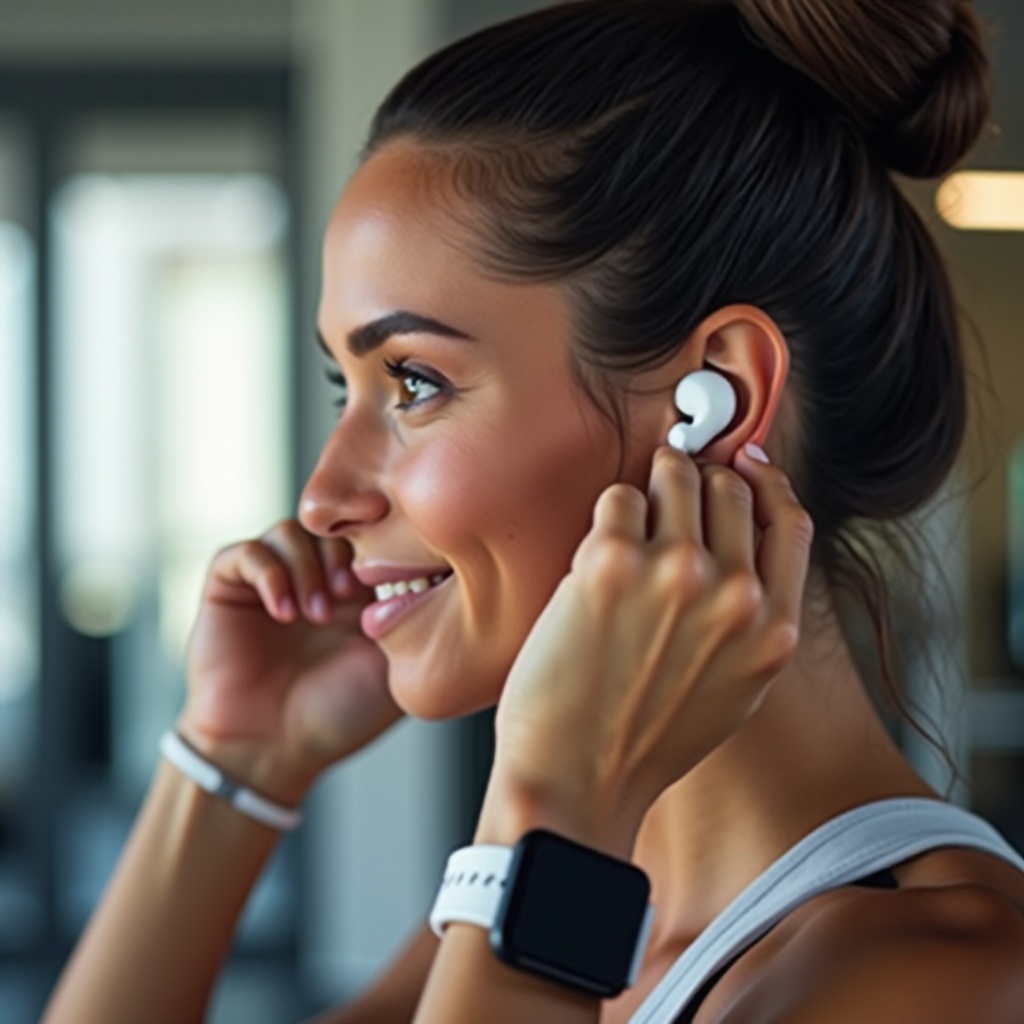
Wings press under the ear ridge for a locked seal with minimal bulk; hooks wrap the ear for maximum security. Always test multiple tip sizes. A proper seal improves bass, isolation, and comfort while reducing bounce.
Sweat and Water Resistance: Understanding IP Ratings
For the gym, IPX4 is the practical minimum. Heavy sweaters or frequent rainy runs should aim higher when available. Do not submerge. Rinse lightly if salted with sweat and air-dry before closing the case.
Sound Quality and Volume Ceiling for Noisy Gyms
Gyms get loud. You need clean mids for vocals and cues, plus punchy bass without harsh highs. A tight seal lets you listen at safer volumes and still feel energy in your playlist.
ANC vs Transparency for Safety and Focus
ANC cuts mechanical clatter and chatter so you can concentrate. Transparency keeps street sounds and voice cues audible. Choose earbuds that switch fast between modes and keep voices natural, not tinny.
Battery Life, Quick Charge, and Case Size
Aim for at least 6–8 hours per charge. Quick charge helps when you forget to top up. A bigger case adds cycles, but balance pocket comfort with endurance so you do not leave the case behind.
Controls That Work with Sweat and Gloves
Physical buttons beat touch when sweat or rain hits. Look for large, clicky controls and customizable gestures. If touch is your only option, a lock mode prevents misfires during burpees or cleans.
Connectivity Stability, Multipoint, and Codecs
Bluetooth 5.x with solid antennas matters more than exotic codecs. Multipoint helps you switch from phone to laptop without re-pairing. AAC and LC3 are reliable; prioritize stable links over niche formats.
Durability, Warranty, and Replaceable Parts
Check hinge strength, lid play, and charging port snugness. Extra tips and wings extend life. A responsive support team and clear warranty reduce downtime if something fails.
App Features: EQ, Profiles, and Find-My-Buds
Apps should be quick, stable, and simple. Useful EQ presets, firmware updates, and find-my-buds help you personalize sound and keep track of your gear in crowded gyms.
With priorities clear, let us translate those features into practical categories so you can narrow to a final choice.
Best Bluetooth Earbuds for Working Out by Category
Category picks align features with real needs. We describe the traits to seek in each group so you can recognize a match fast.
Best Overall for Most Workouts
Choose an in-ear pair with snug stability wings, IPX4 or better, and energetic but balanced tuning. Add fast pairing, reliable ANC, and quick-charge support. Favor physical buttons and a responsive app to adjust EQ and controls. This mix keeps you focused during lifts, intervals, and runs without constant fiddling.
Best for Running Outdoors (Open-Ear/Safe-Listening)
Open-ear designs keep you aware of traffic and bikes. Seek wind reduction, secure clamps or loops, and even pressure to avoid hot spots. Long battery life and sweat resistance help when runs stretch past an hour. Prioritize natural voice pickup in transparency or open modes so cues and route calls remain clear.
Best Budget Pick for the Gym
You do not need fancy features to train well. Look for honest IP ratings, physical buttons, and a case that provides two or more full charges. A warm sound with clear mids works for playlists and podcasts. Prefer stability wings over flashy extras and choose brands with easy-to-reach support.
Best for Small Ears and All-Day Comfort
Compact shells and short nozzles reduce pressure. Multiple tip sizes, including extra small, help with seal. Flexible wings sit gently without digging. Keep weight low to avoid fatigue during long days that include commuting, classes, and a workout.
Best Battery Life for Marathon Sessions
If you stack classes or do weekend long runs, aim for 8–10 hours per charge with quick top-ups. A sturdy, not oversized case should add several cycles. Efficient drivers and a good seal reduce the need to crank volume, saving battery and hearing.
Also-Great Alternatives Worth Considering
Semi-open buds help if you dislike ear pressure. Ear-hook designs stay put during sprints and double-unders. Bone conduction maximizes awareness near traffic but trades bass and isolation. Each style solves a specific problem; pick the one that matches your environment.
Now that categories set expectations, the next step maps earbuds to sports so your choice fits how you move.
Match Your Sport to the Right Earbuds
Your sport shapes the ideal fit, controls, and sound. Use these tips to align design with movement patterns.
Strength Training and CrossFit
Lock-tight stability matters for pulls, presses, and kipping work. Physical buttons prevent accidental pauses when sweat drips. Moderate isolation keeps you aware of spotters and floor cues while bass punch fuels tempo.
HIIT and Plyometrics
Explosive moves reward light buds with wings or hooks. Low mass reduces bounce, while secure tips stop micro-slips. Quick-access controls help you start timers, skip tracks, and adjust modes between intervals.
Treadmill and Outdoor Running
On treadmills, comfort and consistent seal top the list. Outdoors, transparency or open-ear increases safety. Favor low-profile shells and tips that tame wind noise, and keep volume moderate to protect hearing.
Cycling and Spin Classes
On the road, awareness is crucial; consider open-ear or light transparency. For indoor spin, mild ANC blocks fan noise without masking instructor cues. Large, tactile controls help when your hands stay on the bars.
Yoga, Pilates, and Low-Impact Workouts
Comfort beats isolation. Choose light, soft-sealing buds that do not create pressure when lying on your side or back. Balanced sound keeps instructor cues clear and avoids piercing highs.
You have matched designs to your sport. Next comes budgeting so you know which features to expect at each price tier.
Budget Breakdown: What to Expect at Each Price Tier
Price sets expectations and helps you pick smart. Focus on reliability first, then add premium perks as budget allows.
Under $50: Basic Reliability and Fit
Expect IPX4, simple button controls, and decent battery life. Sound can be lively but may distort at high volume. Test fit carefully and watch for sales from reputable brands.
$50–$100: Balanced Features and Value
This is the sweet spot for many buyers. You will see better tips, more stable Bluetooth, and basic app EQ. Some models add wings or hooks and stronger mics for calls.
$100–$200: Premium Performance Sweet Spot
Here you get refined tuning, better ANC and transparency, and faster quick-charge. Apps become more polished, and comfort improves with lighter shells and smarter ergonomics.
$200+: Flagship Features and Polished Apps
Expect the best ANC, multipoint stability, and slick control customization. Build quality steps up, warranties are clearer, and support tends to be faster.
Once budget expectations are set, dial in fit. A proper seal can make a mid-range set outperform a pricier rival with poor sizing.
Fit and Comfort: Getting a Lock-Tight Seal
Fit drives sound, stability, and safety. Spend a few minutes here, and you save hours of frustration later.
Tip Sizing and Foam vs Silicone
Start with medium tips, then move up or down. Foam expands to seal tricky canals and can soften bright highs, but it absorbs sweat. Silicone lasts longer, cleans faster, and resists wear. The best seal is the one that feels secure without pressure.
Setting Up Wings and Ear Hooks
Insert the bud, then rotate until the wing tucks under the ear ridge. If you use hooks, balance tension so they hold firm without pinching. Test with jumping jacks and quick head turns to confirm stability.
Open-Ear Fit and Safety for Roads
Adjust clamp pressure to avoid hot spots. Keep the transducer flush for even sound. Set volume so you hear traffic and voices; the goal is awareness first, music second.
With fit set, protect your investment. A simple care routine keeps sound quality and water resistance intact for the long haul.
Maintenance and Hygiene for Sweat-Proof Longevity
Care extends life and preserves performance. Build a quick routine you can repeat after every session.
Cleaning Routine After the Gym
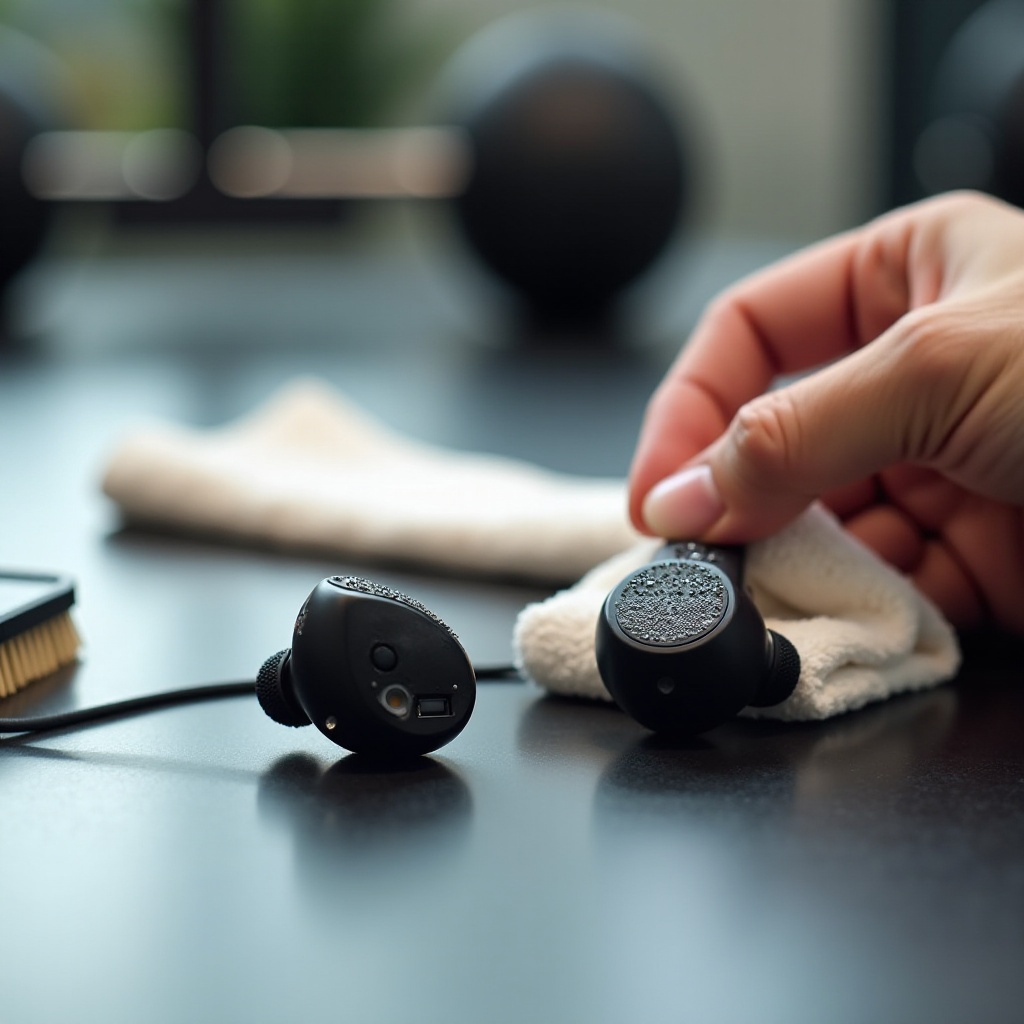
Wipe buds with a soft, slightly damp cloth. Brush tip bores and mesh with a dry tool. Avoid harsh solvents that can weaken seals and rubber parts.
Storage and Drying Best Practices
Air-dry for 15–30 minutes before sealing the case. Keep the case clean, dry, and away from heat. Avoid leaving buds in a hot car or direct sun.
Post-Workout Care for Tips and Mesh
Remove tips weekly to rinse and dry fully. Tap debris from mesh guards and replace worn tips to maintain seal, comfort, and bass response.
If issues pop up, do not panic. Most problems have quick fixes you can try before contacting support.
Troubleshooting Common Gym Earbud Issues
Even great earbuds act up. Use these steps to restore performance fast.
Bluetooth Dropouts in Crowded Gyms
Switch to a more stable codec if available, or reset pairing and clear old devices. Move your phone to a front pocket or armband to reduce body blocking. Avoid metal racks between phone and buds.
Earbuds Falling Out During HIIT
Try larger or foam tips for extra grip. Add wings or switch to ear-hook designs. Dry your ears and tips before sets and retest fit with quick jumps.
Battery Drain and Charging Problems
Clean charging contacts and reseat buds in the case. Try a new cable or power adapter and update firmware. If the case warms or drains fast, contact support within warranty.
Conclusion
Great workout earbuds do three things well: they stay put, survive sweat, and help you focus. Start with fit and durability, then add sound and features that match your sport. Keep expectations aligned with your budget and test tips, wings, or hooks until the seal feels effortless. Maintain them after every session and they will last. With the right pair, you will train safer, protect your hearing with lower volumes, and enjoy music that pushes you further. Use this guide to build your shortlist, test for fit, and commit with confidence. Your best Bluetooth earbuds for working out are the ones you barely notice until the beat drops and the reps fly.
Frequently Asked Questions
Are open-ear earbuds safe and effective for gym and outdoor runs?
Yes, when you need awareness. Open-ear keeps traffic, bikes, and cues audible. Expect less bass and isolation than in-ear. Use moderate volume and secure clamps to reduce movement and wind noise.
What IP rating do I need for intense sweat and rain during workouts?
IPX4 handles heavy sweat and light rain. For frequent outdoor runs in wet weather, aim higher if available. No IP rating covers swimming. Always wipe, air-dry, and avoid submersion to protect seals.
How do I stop touch controls from misfiring when my hands are sweaty?
Use physical buttons when possible. If you must use touch, reduce sensitivity in the app, remap gestures, and use lock modes. Dry your hands between sets to improve accuracy.